
One workspace where RevOps builds the AI-native GTM System.
Build and run GTM systems that understand context, coordinate agents and improve with every outcome.
Build and run GTM systems that understand context, coordinate agents and improve with every outcome.
Companies, deals + contacts held as live state, viewed through the lens you architect: the context that matters, the factors that drive your revenue, the signals worth trusting. Build dynamic segments that maintain themselves, and let agents build the sections your leadership keeps asking for.
Explore WHAT TO BUILD WITH Context →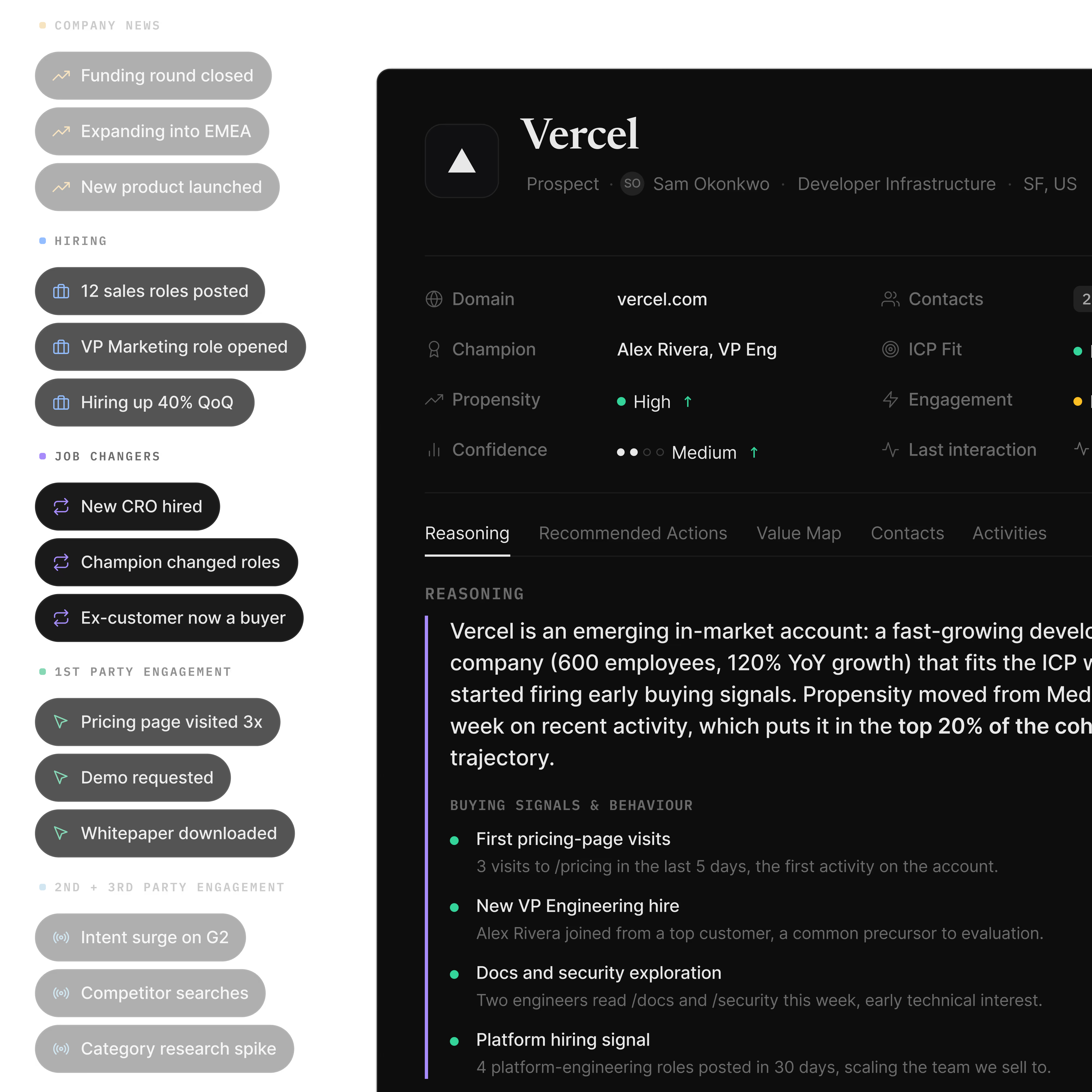
The commercial logic of your business, held as memory that executes instead of documentation that decays. Encode your ICP, your sales process, why you win and why you lose; the Workspace drafts it, you refine it, and it ships as a version. The day the motion changes, memory updates, and everything downstream follows.
EXPLORE WHAT TO BUILD WITH MEMORY→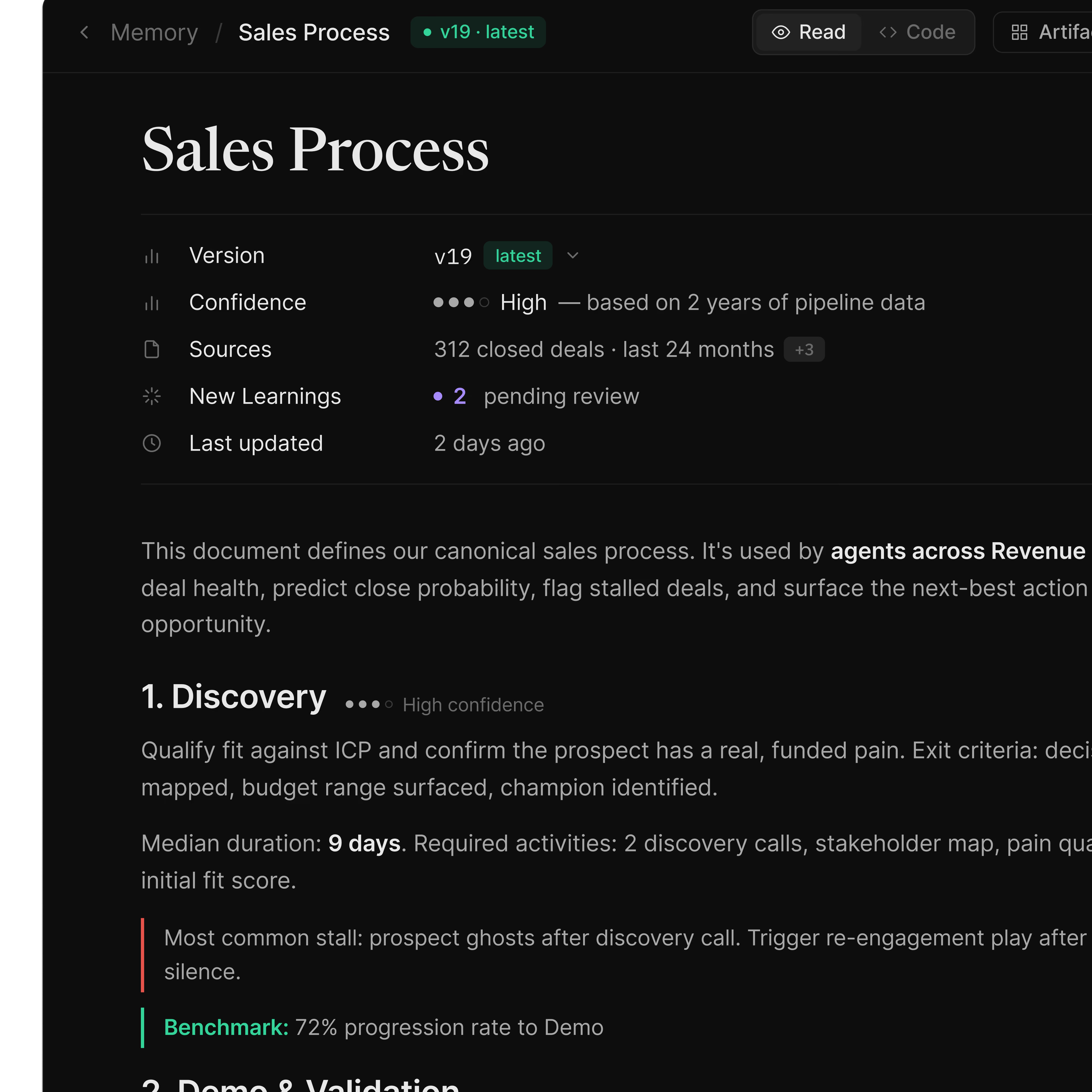
The techniques that make your top rep your top rep, codified as skills every agent and every teammate can run: discovery, objection handling, multi-threading, meeting prep and more. Build them from real deals, test them before they ship, refine them as outcomes land.
EXPLORE WHAT TO BUILD WITH SKILLS→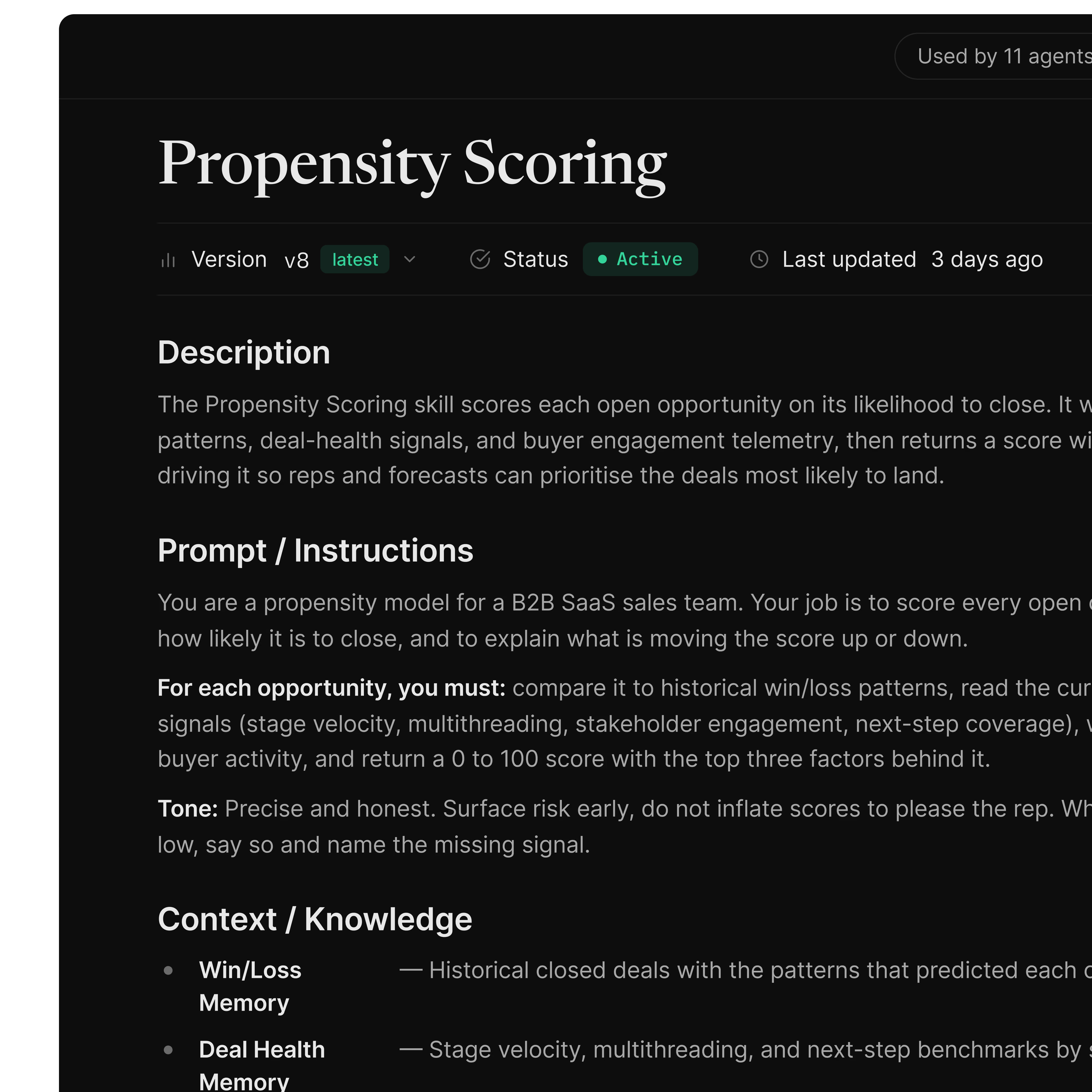
Coordinated by shared context, memory + skills, agents decide the next best action on every account, deal and customer, continuously. The admin, research + busywork comes free.
EXPLORE HOW AGENTS WORK→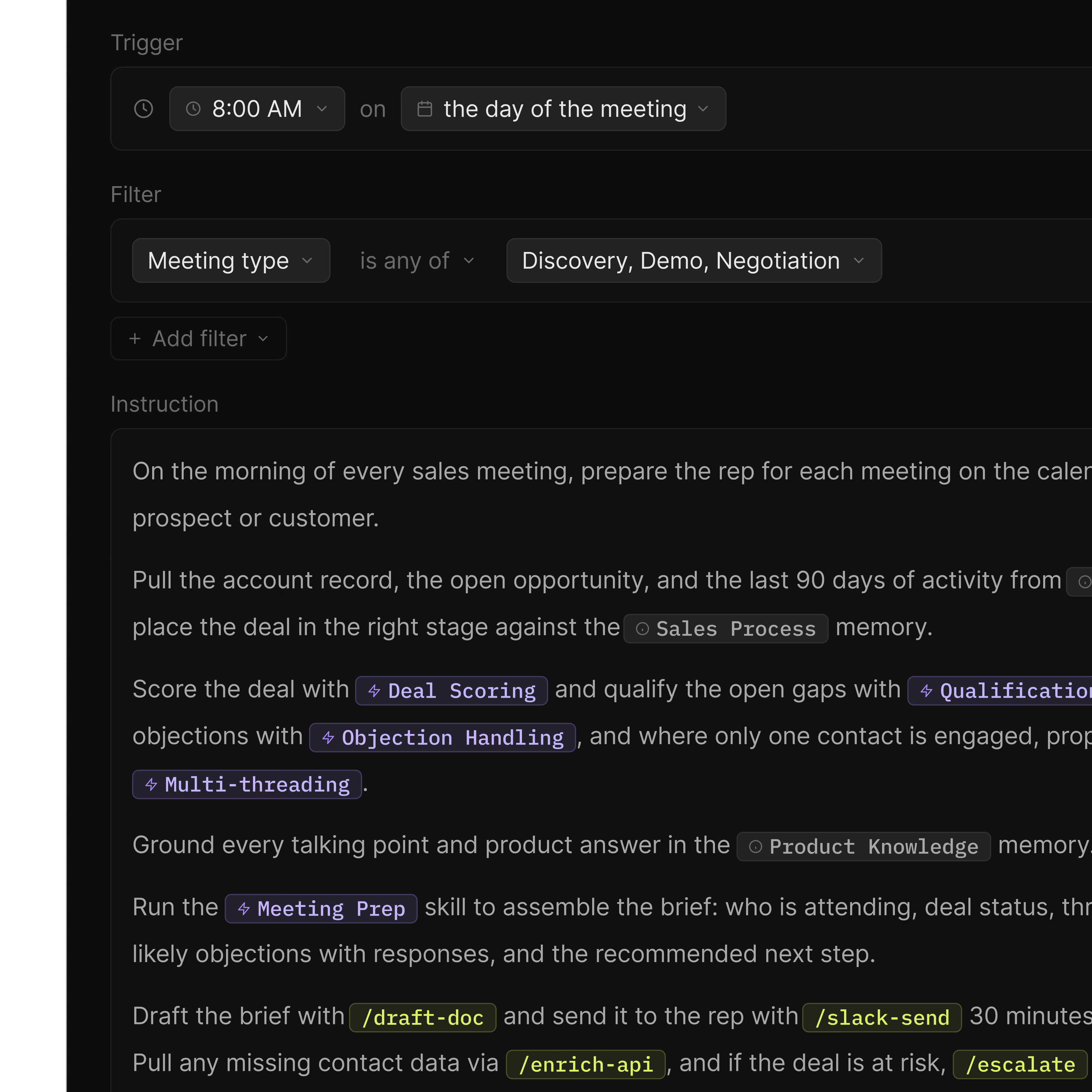
Define the briefing, the deal review, the territory analysis once. The system generates it from live state, tailors it to the reader, and delivers it where they already work. The reporting backlog RevOps carried by hand becomes something the system maintains.
Build YOUR FIRST ARTIFACT→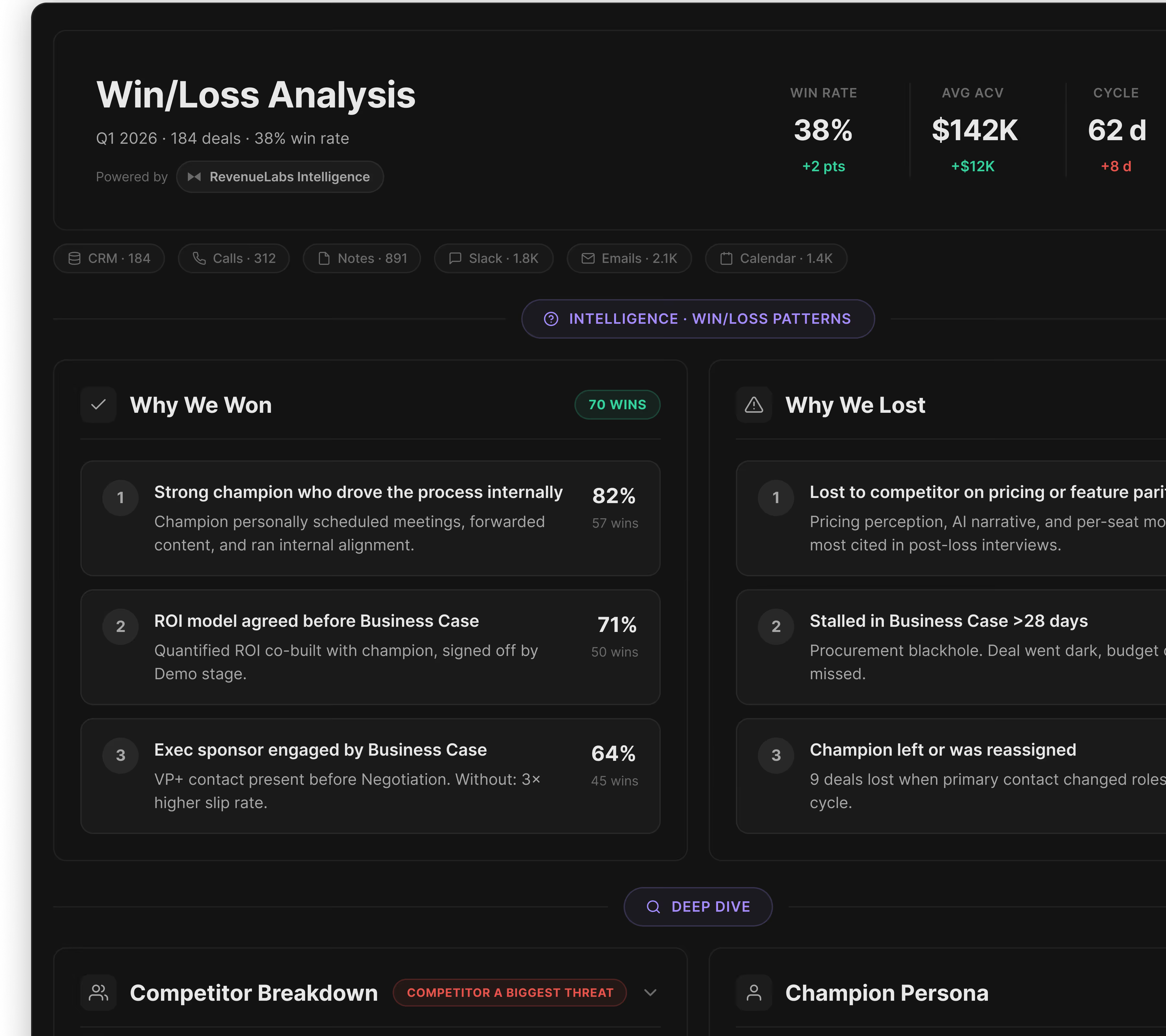
What You Get
✓Buying signals unified from web, engagement + hiring into one in-market view.
✓Dynamic segments and campaign angles built from live customer + prospect context.
✓Channel routing with a learning loop: which messages progress accounts, kept as memory.
EXPLORE MARKETING →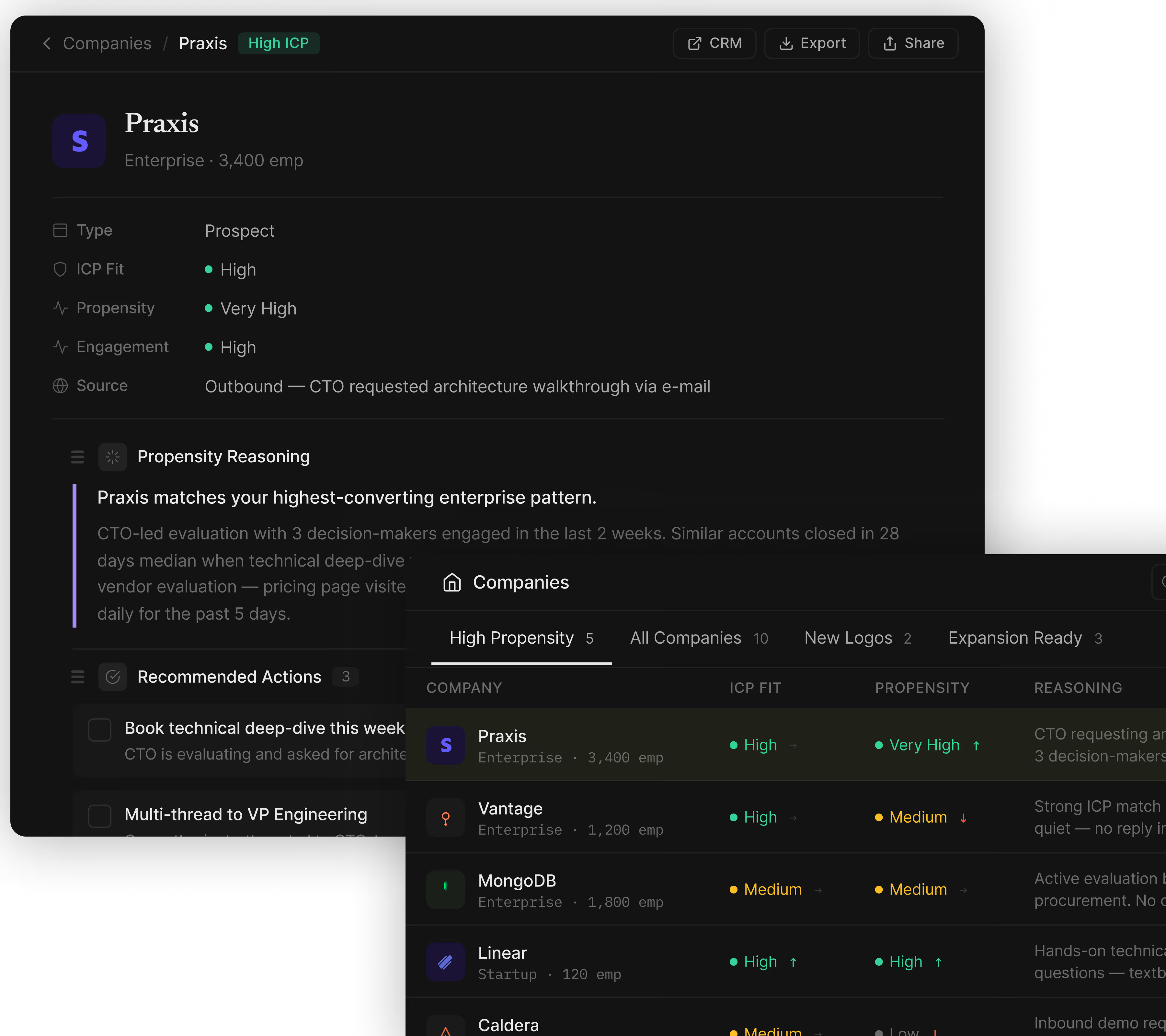
BUILD MORE PIPELINE
✓Proactively monitor thousands of high-fit accounts, mapping your entire market in real time.
✓Account context and grounded messaging generated for every rep, before they research.
✓Alerts in Slack or Teams when an account turns, with the recommended play.
Explore PROSPECTING →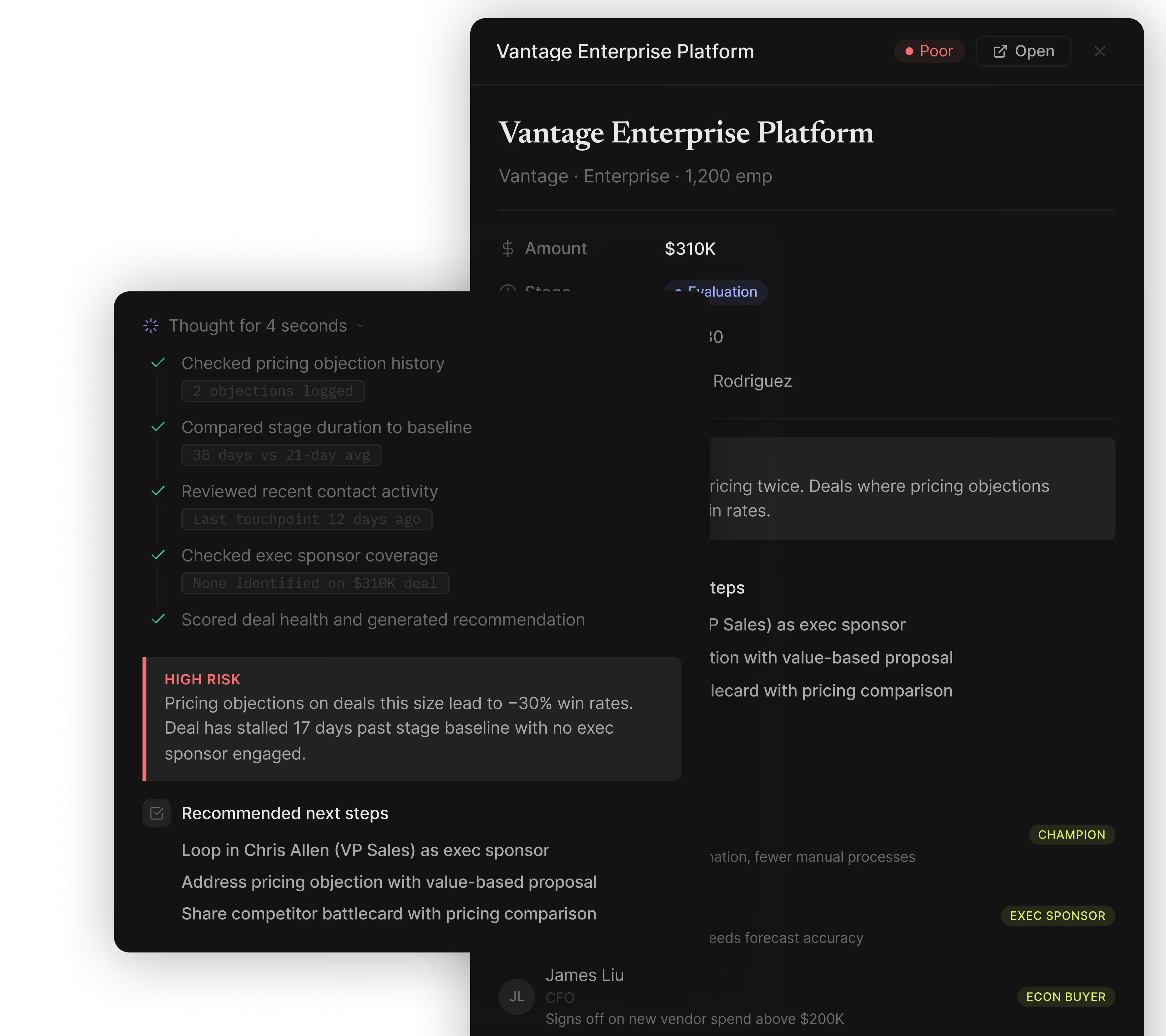
CLOSE MORE DEALS
✓Live deal context maintained continuously: stakeholders, engagement, qualification, risk, opportunity, stage velocity + more.
✓Reps prepped before every meeting with what the system knows works.
✓Lessons captured after every outcome, so the playbook updates itself.
Explore Sales →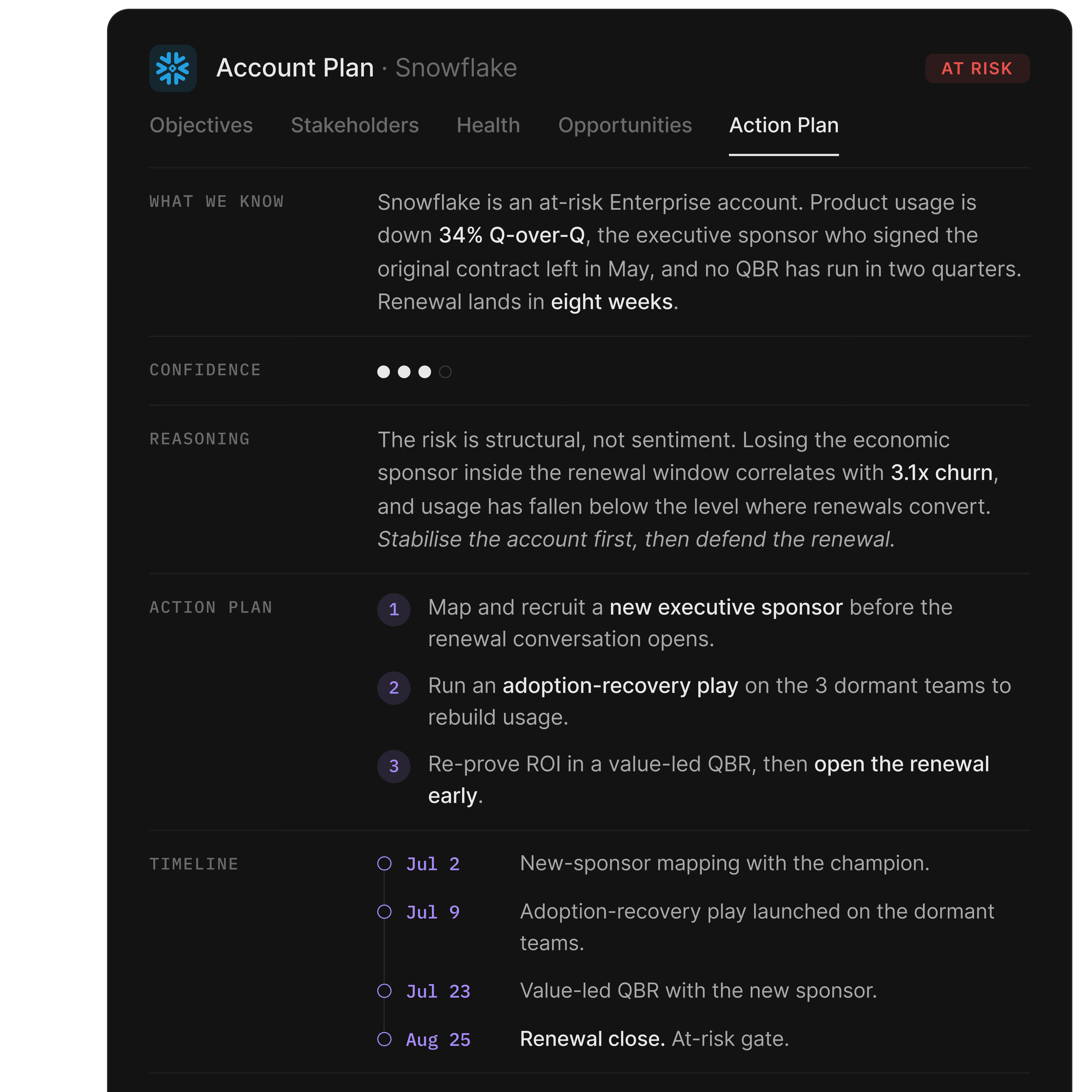
What You Get
✓Customer health that moves with product usage, engagement + stakeholder change.
✓Expansion triggers routed to the right owner with the evidence attached.
✓Renewal outcomes examined and fed back, so next quarter starts smarter.
EXPLORE CUSTOMER SUCCESS →Ready when you are
Stop integrating tools by hand. Start building on the operating layer.
RevOps, and whoever builds your GTM systems. The Workspace is where operators define context, build memory, skills + agents, and govern how the system learns. Everyone else consumes the outputs: reps get alerts and briefs in Slack, Teams and the CRM; leadership gets answers and artifacts. Build in one place, deliver everywhere. That split is deliberate: builders need depth, consumers need zero new tabs.
For your reps, no. Nothing about their day requires a new login: alerts arrive in Slack or Teams, briefs land before meetings, fields update in Salesforce or HubSpot. The only people who live in the Workspace are the one or two who build the system. Adoption fails when AI adds another place to check; the Workspace concentrates the building so everyone else just receives the output.
The infrastructure is the primitives: context, memory, skills, agents and learning, working as one system beneath your GTM. The Workspace is how you build on them. The infrastructure turns your data into live context and learns from every outcome. In the Workspace, you decide what that context includes, write the memory and skills, configure the agents, and approve what the system changes. The primitives are the technology. The Workspace is your hands on it.
If you can describe your GTM, you can build it. Memory, skills, agents and artifacts are generated in chat: describe the ICP, paste the playbook, explain what your best rep does, and the system drafts the executable version for you to review and refine. No Python, no workflow canvas with forty nodes. The judgement is the hard part, and that's the part you already have.
Context, because everything else runs on it. Connect the CRM + calls, see live state on your accounts, deals + contacts, and correct the lens: your ICP, your factors, your definitions. From there most teams ship a prospecting or deal-risk agent in the first week, because the pain is sharp and the result is visible. Week one builds context, week two codifies memory, week three puts agents on live pipeline, week four closes the learning loop.
Those are powerful building blocks with no shared foundation. Each workflow starts from zero context, holds no memory, and learns nothing from the outcome; the whole build lives in one person's head, and leaves with them. The Workspace builds on infrastructure: every agent starts from live context and your codified GTM, every decision is traced, every outcome sharpens the system. DIY stacks give you workflows. This gives you a system that compounds.
Every agent action either runs automatically or waits for a human to approve, edit or dismiss it, and you set that line per workflow. Every decision carries its trace: the context, the memory used, the reasoning, the outcome. When the system proposes an improvement, a sharper ICP, an updated skill, a new routing rule, you review it before it ships. The system suggests. You decide. That's how it earns more autonomy over time.
Yes. The system is headless and accessible by MCP, so you can query context, run agents and generate artifacts from Claude, ChatGPT, or anywhere an agent runs. Reps stay in Slack and the CRM. RevOps builds in the Workspace or talks to the system directly. One system, many surfaces.
They get better, not binned. Most bots underperform because they're starved of context: they answer from a slice of data, then drift. Plug them into the infrastructure and they operate from live state and your codified GTM. Sequences you like keep running; the system decides who enters them and when. Replace things when the system makes them redundant, not because a migration plan said so.
Weeks, not quarters. Week one connects your stack and builds live context. Week two codifies your GTM into memory. Week three, agents run on live pipeline. Week four closes the learning loop. It's built for RevOps teams of one or two: we do the heavy lifting, you make the calls only you can make. Most teams get more from the first week's artifacts than they expected from the first quarter.