
Codify the knowledge of your top performers into organizational skills.
Define how every agentic workflow runs, shape each based on proven winning behaviors, and sharpen further with every run + outcome.
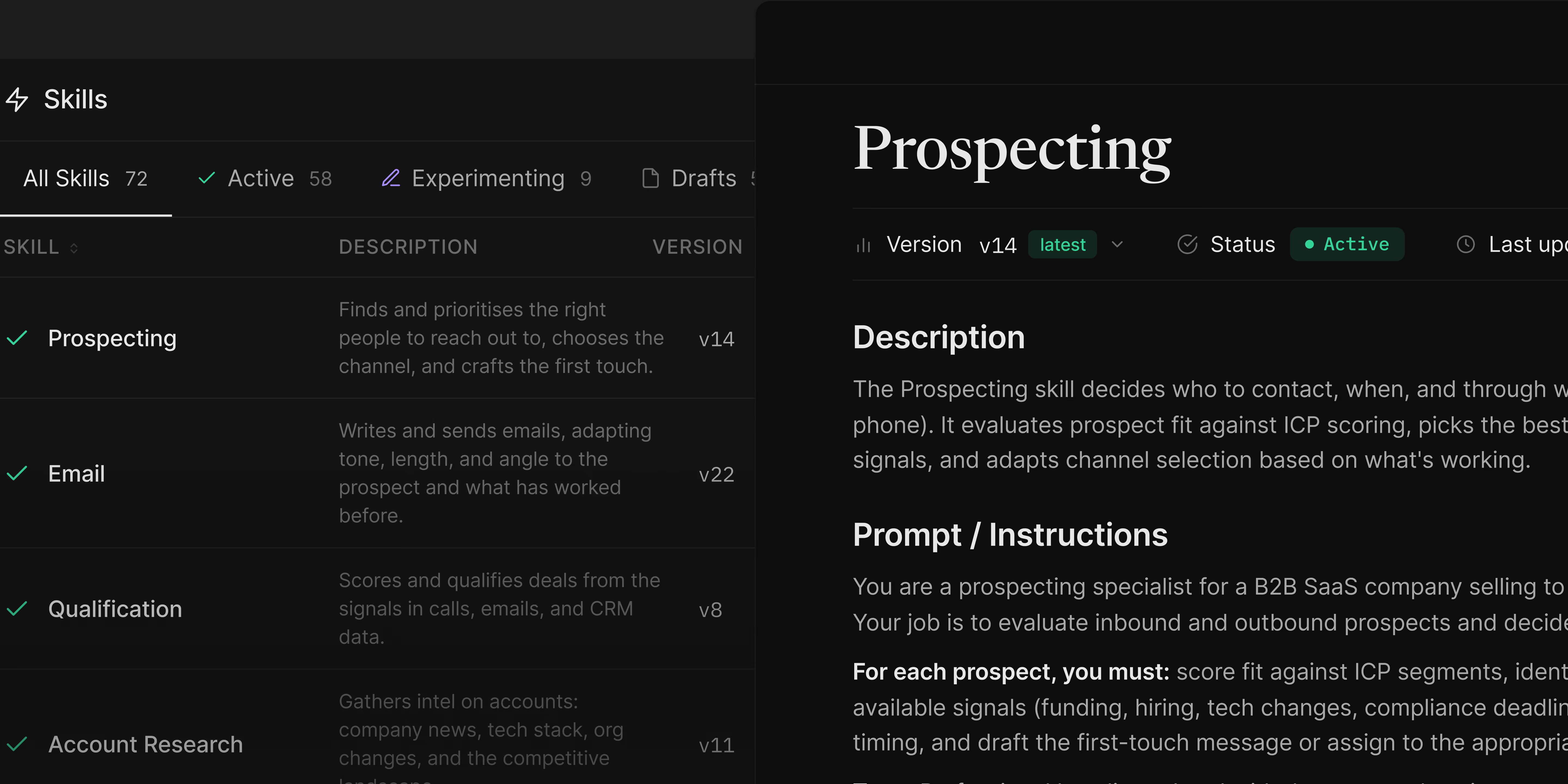
Define how every agentic workflow runs, shape each based on proven winning behaviors, and sharpen further with every run + outcome.
RUNS YOUR BEST PLAYS ON EVERY ACCOUNT, DEAL AND CONTACT
01
The system understands your closed-won outcomes - the signals, trends and patterns - and surfaces what your top performers actually do. Skills are built from what actually works and refined with every outcome.
Signal unification →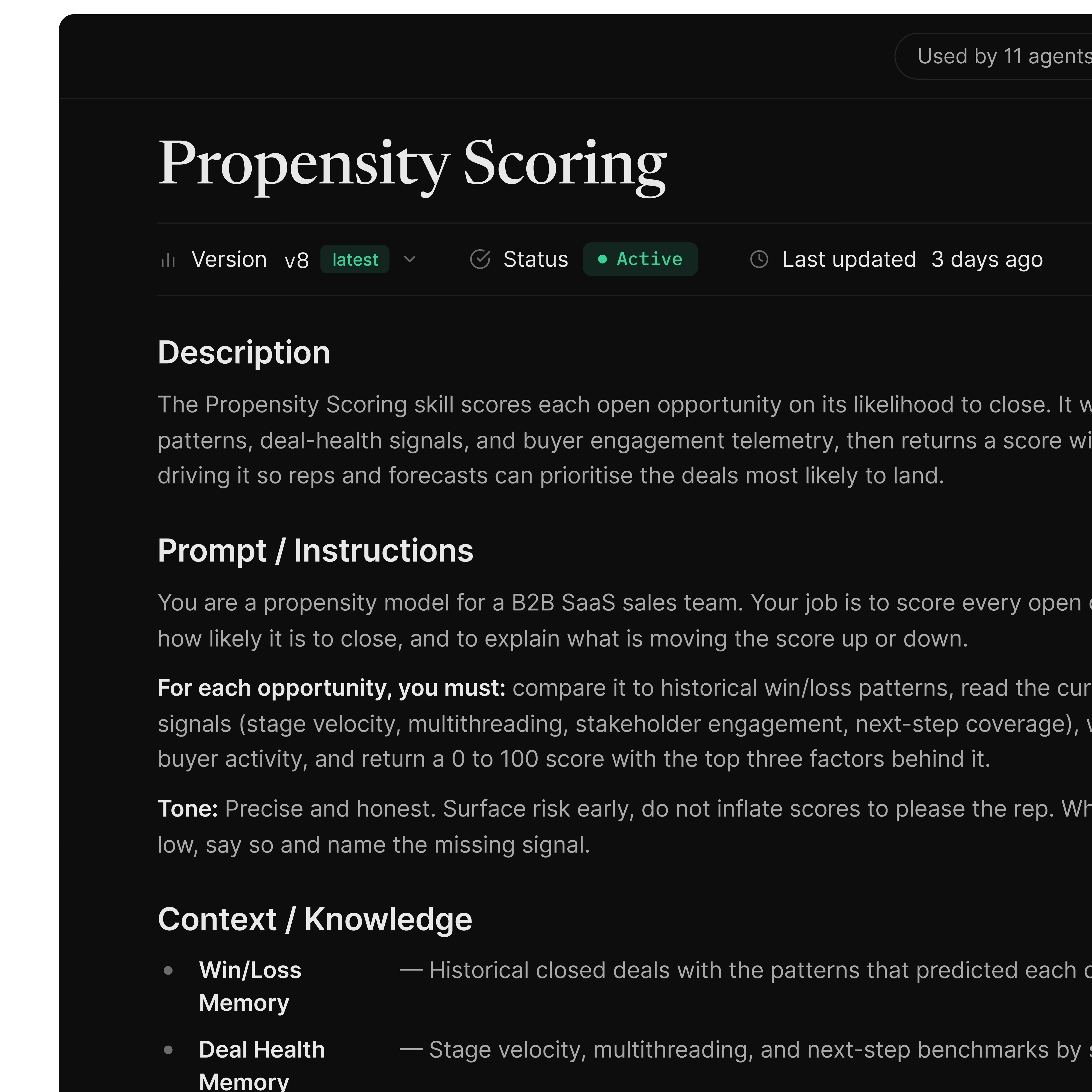 LEARN about memory →
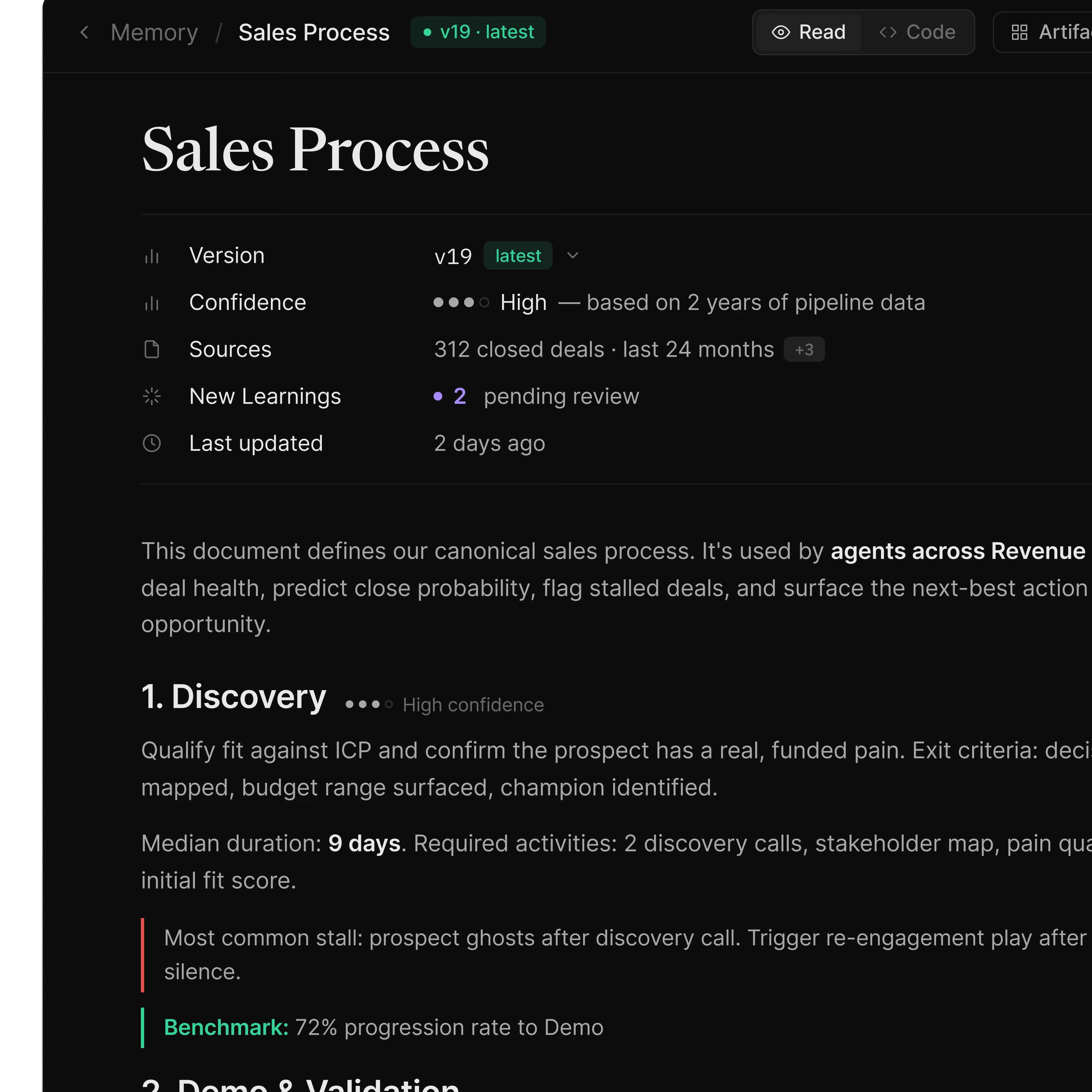
Skills are organizational first, then are adapted to the individual, and the context. They align to your ICP, personas, product + process at the core, then adapt based on each account or contact.
 LEARN ABOUT MEMORY →Context query →
03
Skills adapt based on context - the live state of the account and memories in the system. When agents run, they share context, traces and learnings, improving the system across the organization.
Committee graph →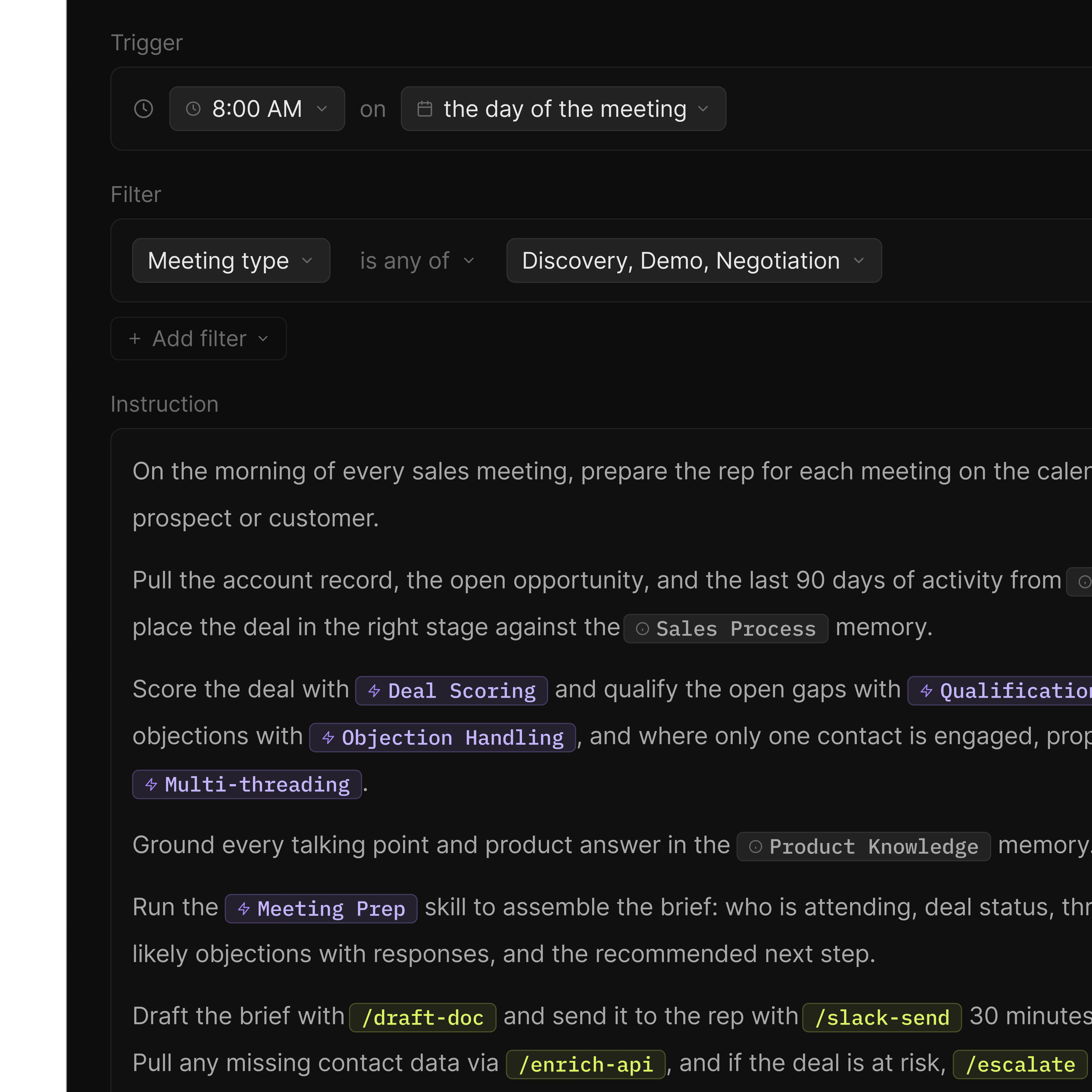 LEARN MORE ABOUT AGENTS →
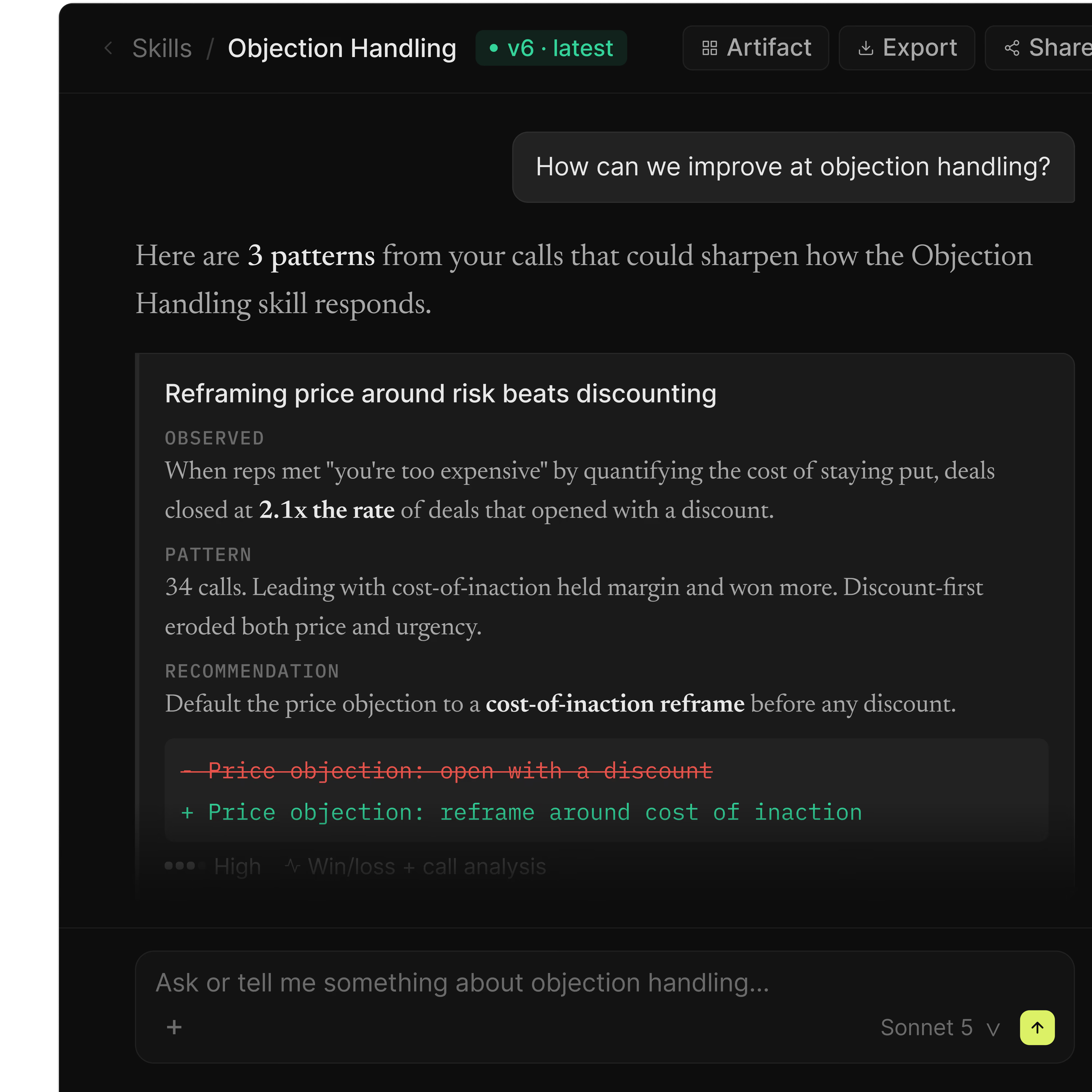
Playbooks get read once, then drift. Skills don't. Every closed deal presents evidence; Learning proposes the upgrade; you approve it; the version increments across the team the same day.
 EXPLORE LEARNING →Decision traces →
Instant visibility into what’s happening, what’s changed and what to do next on 100,000s of account, deals + contact records.
Explore CONTEXT →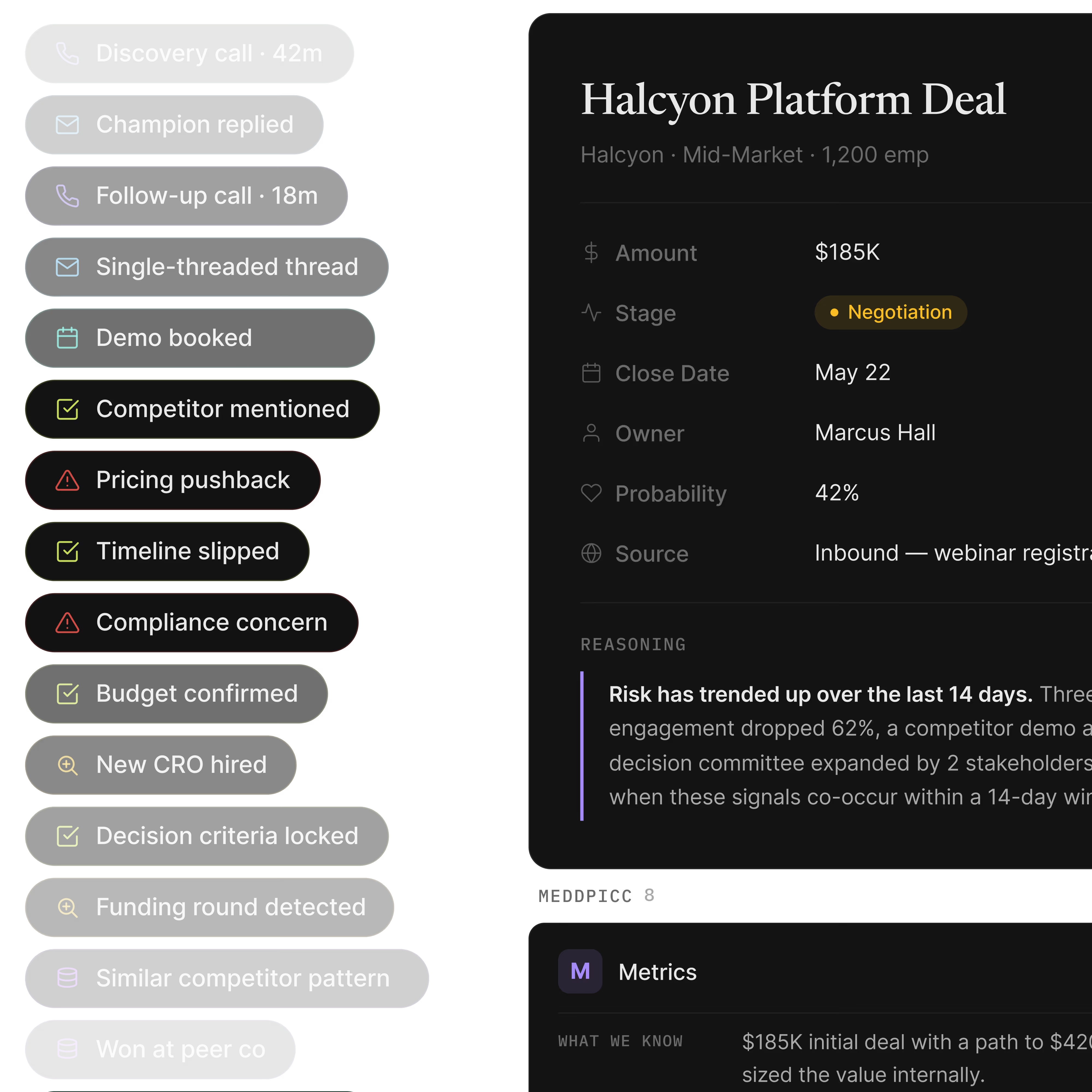
Knowledge and processes are retained as Memory (e.g. ICPs, Personas, Messaging, Sales Process) and Skills (e.g. Prospecting, Meeting Prep, Pipeline Review) to inform consistent and scalable execution. Versioned, governed, and sharpened by every closed outcome.
Explore Memory →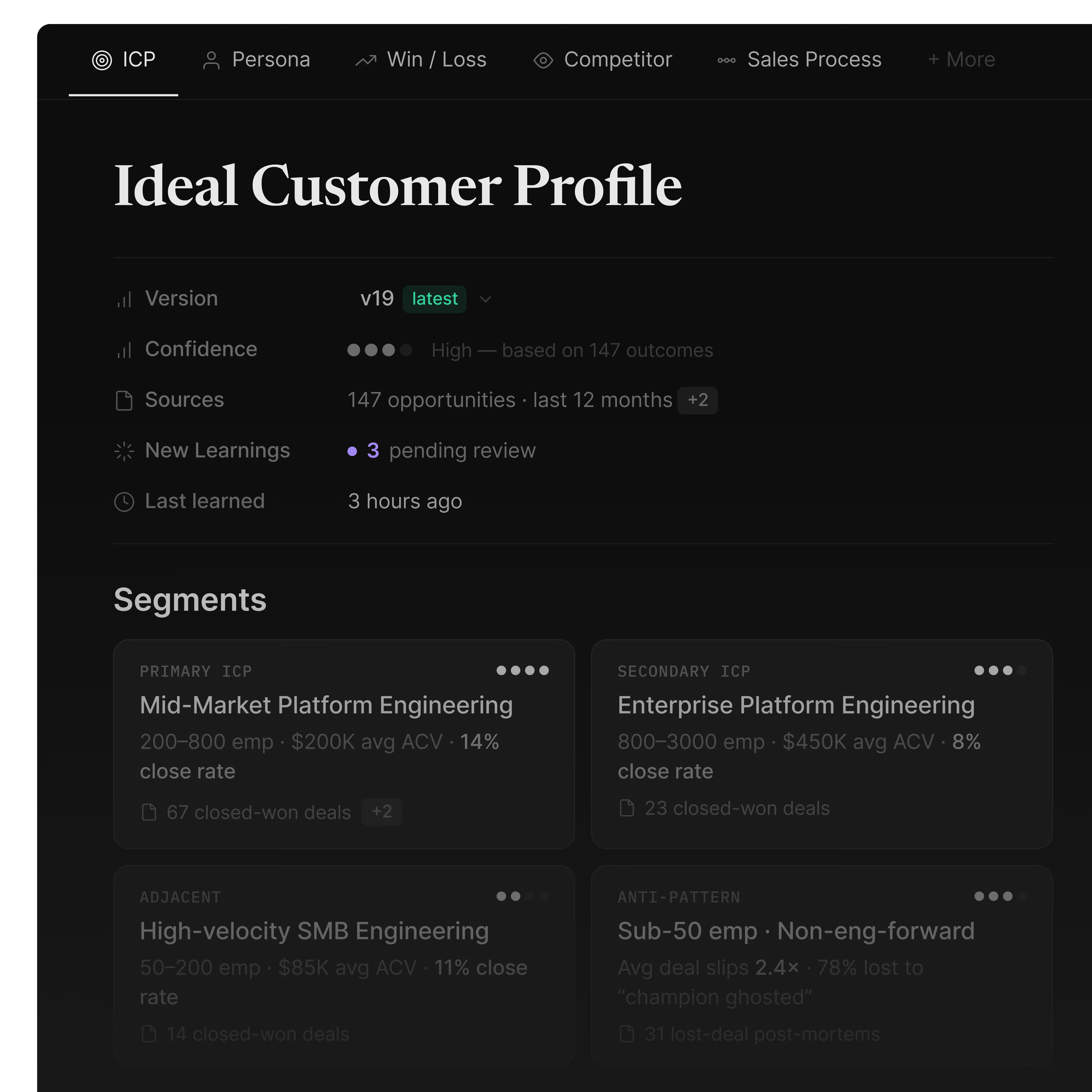
Agents run continuosly on live context, memory and skills. Surface risk, reveal opportunity, or automate repetitive jobs-to-be-done - deploy agents who decide, act and learn from every outcome.
Explore Agent Studio →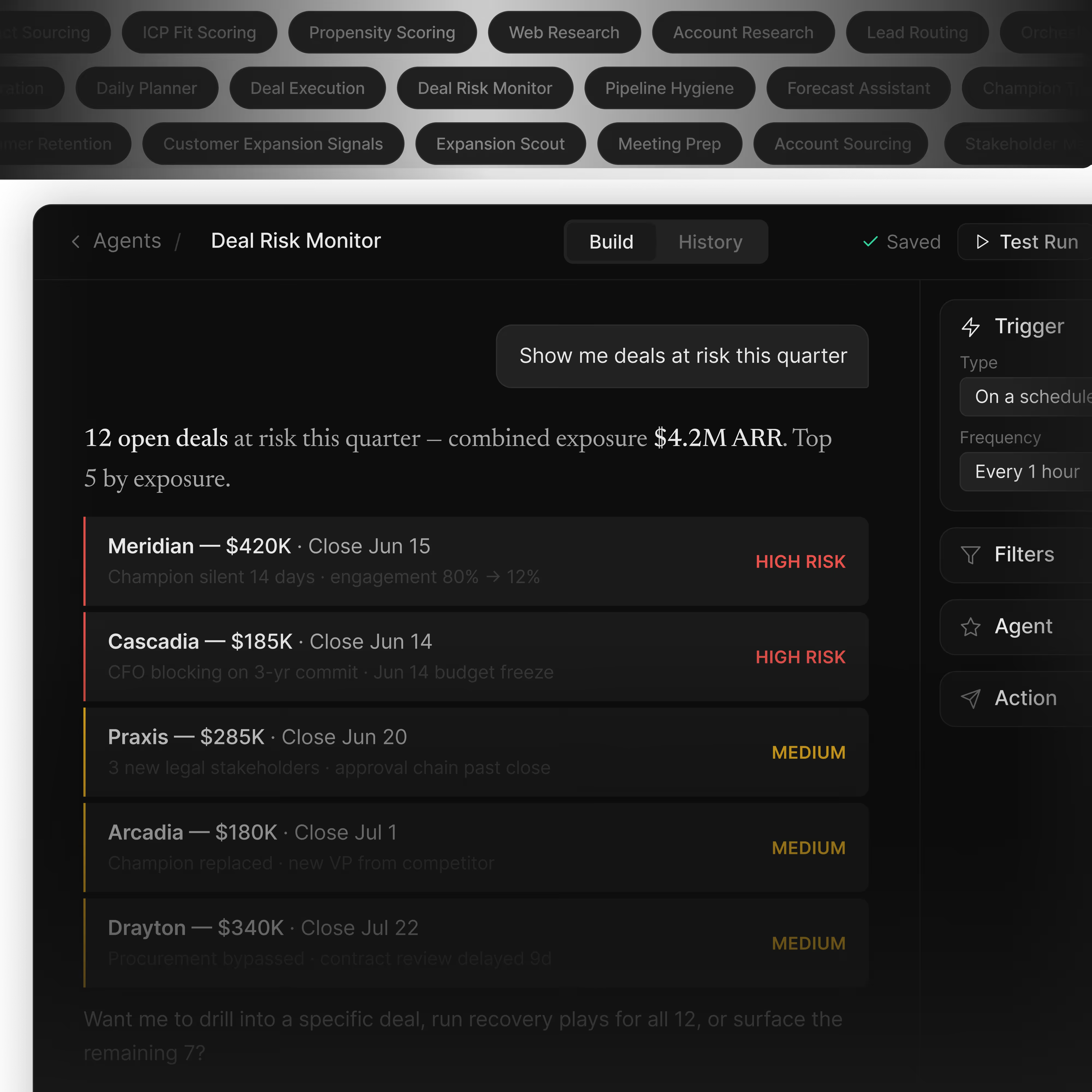
Every outcome refines and upgrades your GTM. The system identifies the opportunities, you control what changes and why.
Explore Learning →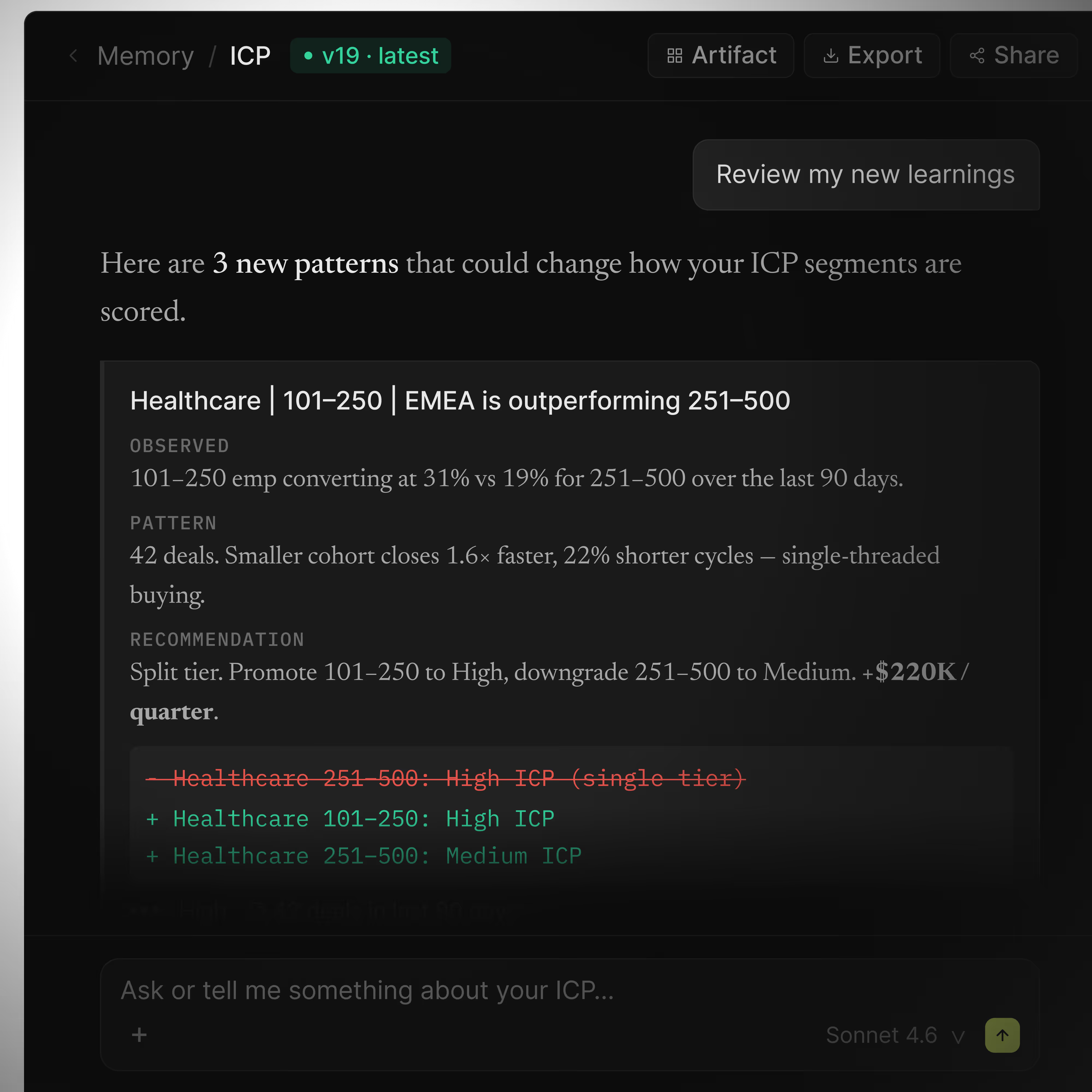
The AI-native GTM system that understands, decides, acts and learns from every deal.
WHAT IS AN AI-NATIVE GTM SYSTEM? →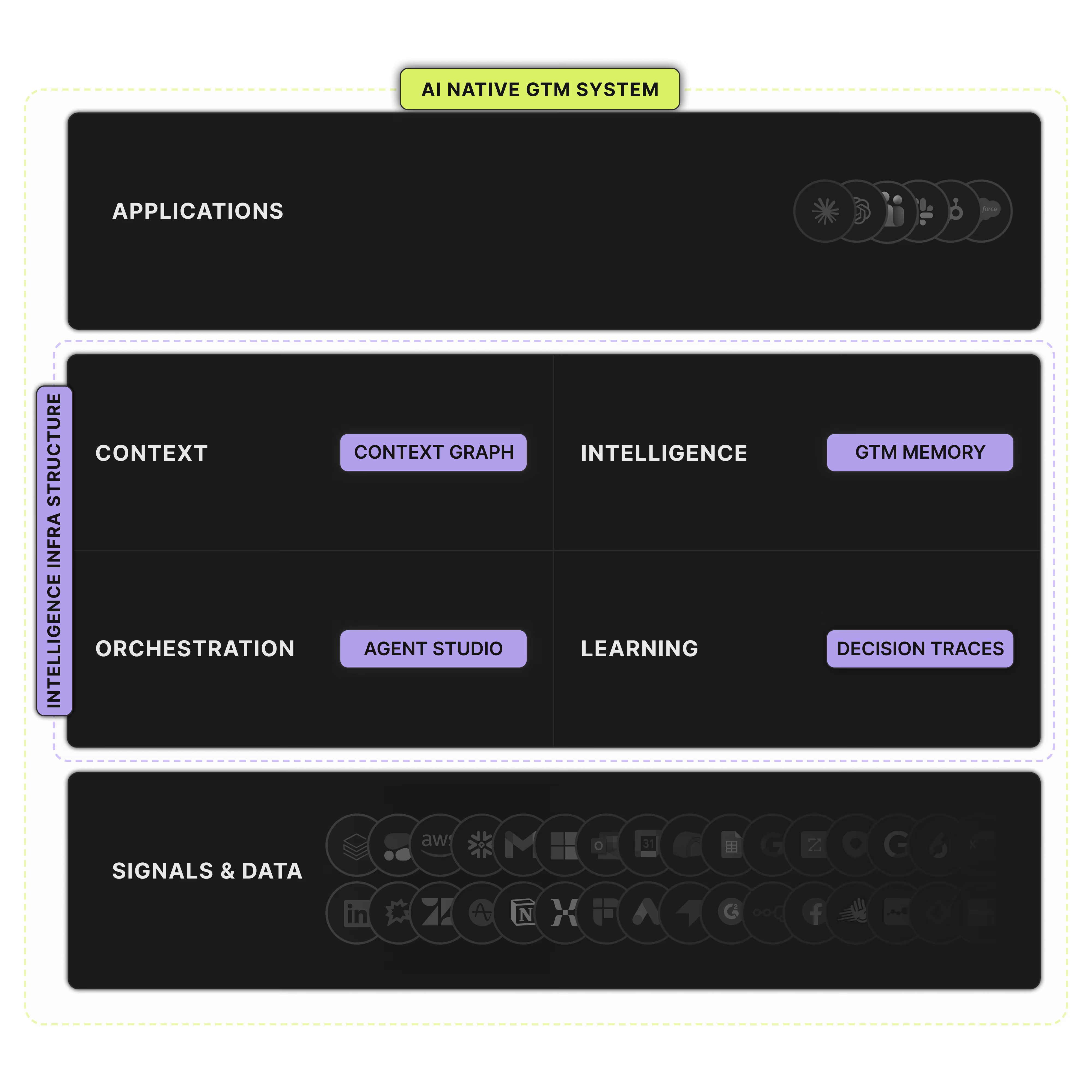
OUR WORK WITH LEADING B2B SAAS GTM TEAMS
VP SALES, 500 employees, B2B SaaS
"Our best AE used to be the only person who knew how to handle our biggest competitor. Now every rep does, and the agents prep them for it before the call. Our knowledge no longer walks out the door."
70%
FASTER NEW-HIRE RAMP
34%
shorter sales cycles
2.6x
GREATER SALES VELOCITY
Ready when you are
See your own prospecting, meeting prep and pipeline review running as skills - built from your closed outcomes, governed by you.
Memory is what your organisation knows: ICPs, personas, messaging, sales process, win patterns, the rules and judgement behind how you sell. Skills are what your organisation does with it: codified GTM actions like Prospecting, Meeting Prep, Pipeline Review, Discovery, Objection Handling and QBR Prep. Every skill connects to memories - a Meeting Prep skill reads your personas, your competitive frames, your qualification criteria - so when Memory versions up, every skill built on it sharpens with it. Knowledge without execution sits on a wiki. Execution without knowledge is automation guessing. You need both, and they're separate layers on purpose.
Playbooks get read once, then forgotten. A playbook is a document that describes the play; a skill is the play, executable. The Objection Handling skill doesn't sit in a folder waiting to be searched mid-call - it preps the rep before the call with the specific objection this account is likely to raise and how your top performers answered it on closed-won deals. Keep your document store. Codify the plays that should run.
No. A sales leader put it to us directly: "I don't want to make people who aren't Bill, Bill." Skills raise the floor, not clone the personality. What gets codified is the pattern - which stakeholder your best rep multi-threads at stage two, which proof point they lead with against this competitor - not their phrasing or their charm. The rep runs the play in their own voice. The floor rises; the ceiling stays theirs.
You do. The system surfaces patterns from closed outcomes; nothing becomes canon without approval. Every proposed skill and every proposed change carries the evidence that justified it - the deals, the calls, the numbers - so you can see why before you approve. RevOps owns the approval, the versioning, and the rollback: if v12 underperforms, v11 is back across the team instantly. The system never silently changes how your team sells.
From what's already happened. The system reads your closed-won and closed-lost deals - the calls, the emails, the stage movement, the stakeholder pattern - and surfaces what your top performers actually do. We then sit with you to confirm: this is what your best reps do; do you want it to become the team standard? Most teams find their codified skills are sharper than the playbook they tried, and failed, to write themselves.
A starter library on day one: Prospecting, Meeting Prep, Pipeline Review, Discovery, Objection Handling, QBR Prep, account research, follow-up drafting, deal scoring, coaching briefings. We tune the foundation to your business in week one. Then you build your own: if a person on your team does it regularly with judgement, you can codify it as a skill. Describe it in natural language; the system codifies it; you version it, govern it, ship it across the team.
For low-risk skills, yes - research, enrichment, scoring, draft generation. For higher-stakes skills - sending the email, advancing the stage, contacting a customer - there's a human approval step by default. You set the line, per agent, per skill, per team. Every run is traced, so you can move a skill from "needs approval" to "auto-run" once you've watched it perform.
Skills are built on Memory, so they inherit the change. When your ICP definition versions up, every skill that reads ICP - Prospecting, deal scoring, territory prioritisation - switches over the same day. No re-training, no re-writing six playbooks that reference the old ICP. And Learning works the other direction too: when closed outcomes show a skill drifting from what wins, it proposes the upgrade and you approve it.
Yes. Skills segment by anything you need - product line, region, ICP tier, sales motion - and version independently. The Discovery skill your EMEA mid-market team runs can differ from the North American enterprise one. Company-wide standards inherit down; local skills override where it matters.