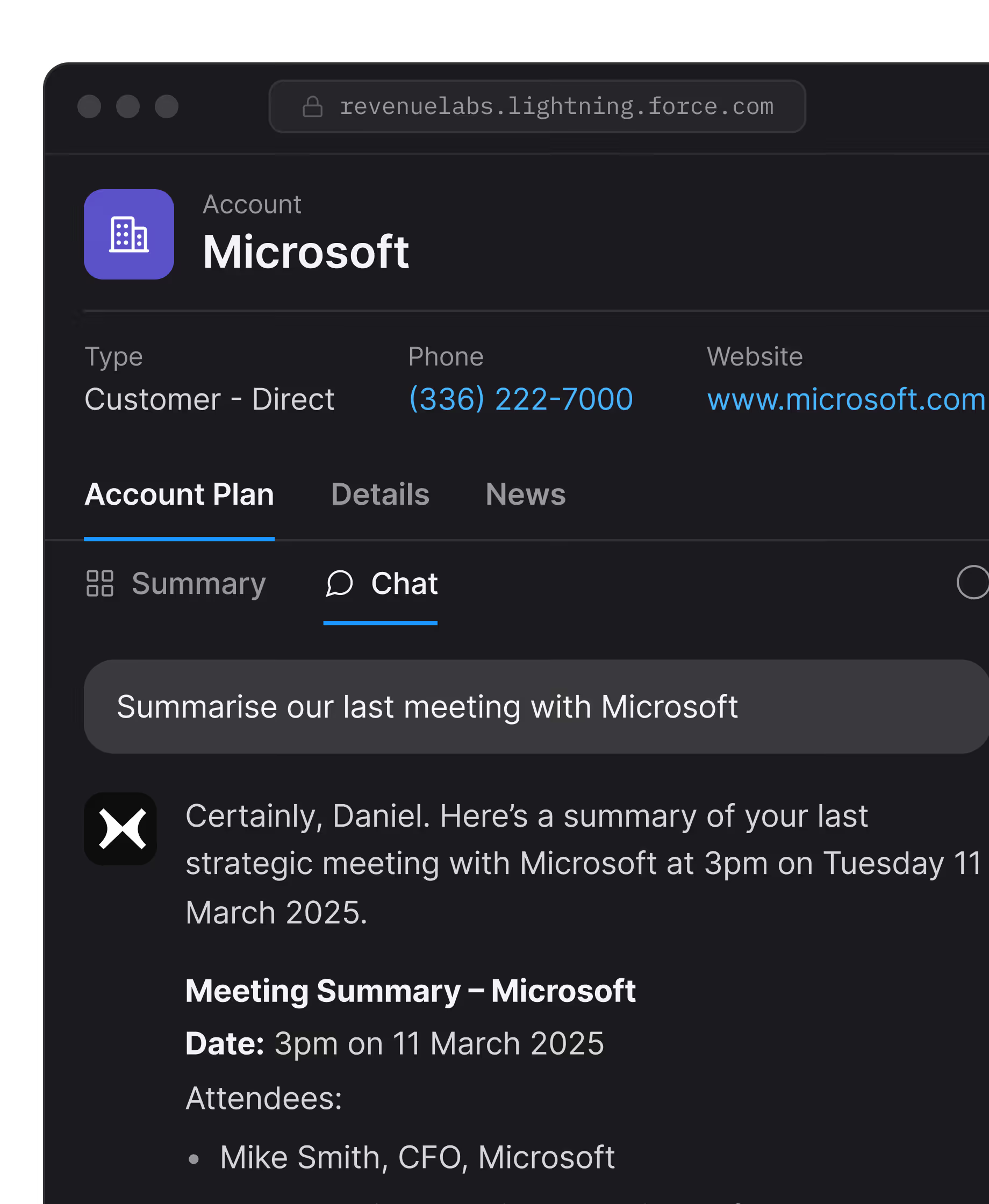
Build more outbound pipeline with less activity.

We've worked with GTM teams at:

PROSPECTING

B2B PROSPECTING FOR THE AI-ERA.

Connect outbound teams and agents to the combined understanding who your best-performing segments, personas and pains are. Surface in-market accounts, and prospect into the right contacts with the right message, at the right time.
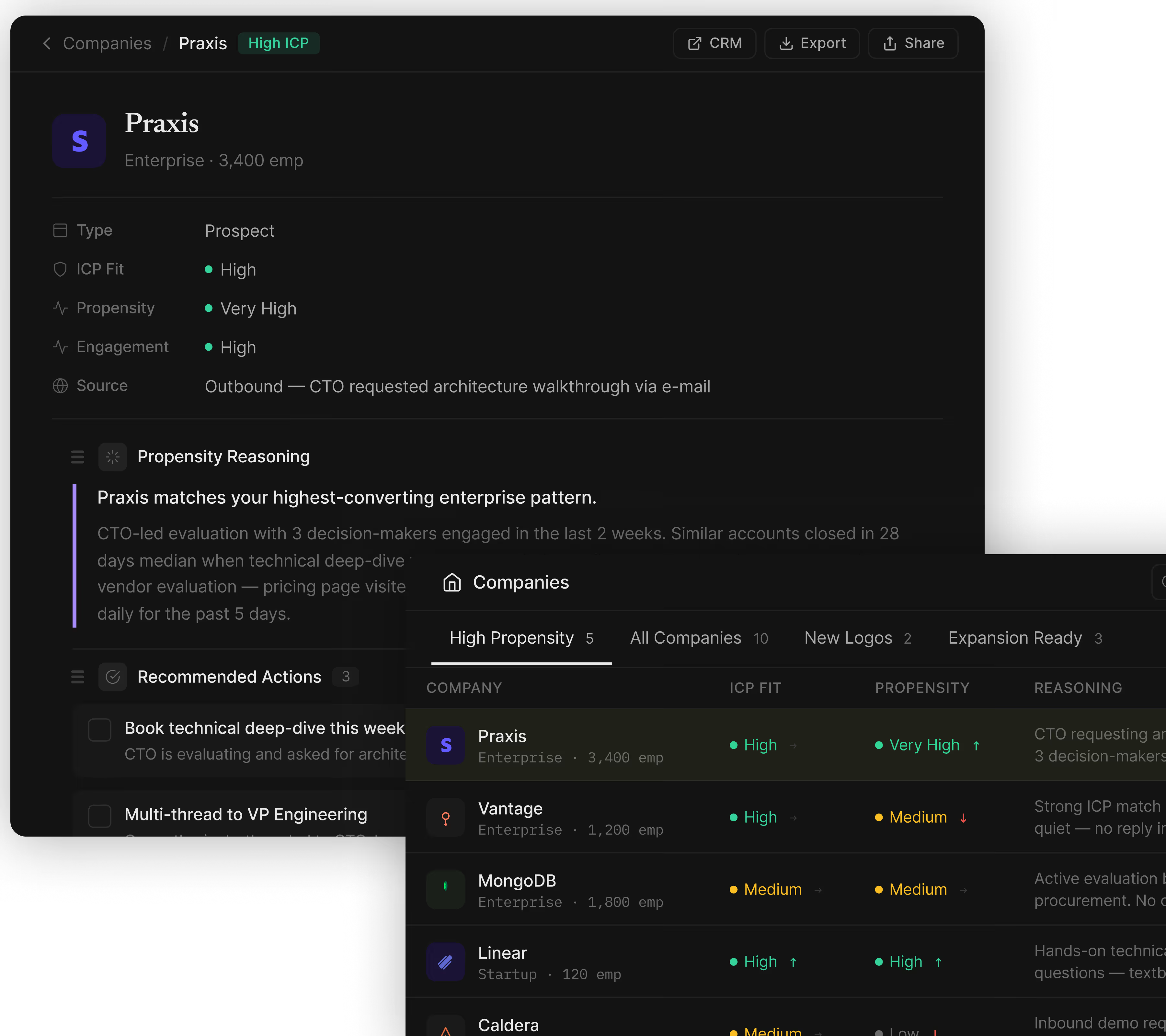
The Shift

You have more accounts, contacts and signals to chase than ever - but results are still stagnant.

This is what happens when BDRs and agents know who the best prospects are.

Decision Debt

The compounding cost of decisions made without understanding why they were made or whether they worked. Like technical debt, it compounds silently — every decision the system can’t learn from makes the next one worse.

Learn more about Decision Debt →

01

Pipeline coverage is always falling short

Pipeline targets are always behind. No matter how many SDRs you hire, signals you buy, or sequences you send, the coverage gap doesn't close.

02

Working the wrong accounts

Reps work lists built on firmographics, not buying signals. Your activity is landing in the prospect's inbox - but the message doesn't resonate, and the timing is never right.

03

Personalization doesn't scale

Reps who research deeply book meetings - but it takes too long. High activity reps work faster, but skip the research, and end up booking the same amount.

04

Time wasted not prospecting

Building lists, researching contacts, drafting openers, updating fields. Your reps spend more time preparing to prospect, than they do prospecting.

05

Can't understand why your meetings were booked

You're loaded with data from reports, dashboards and A/B tests, but can't work out what factors lead to meetings booked - so you can't scale what is working, or cut back what isn't.

06

Prospecting stack is fragmented

Intent, enrichment, sequencer, dialer, CRM. Tools and teams don't talk to each other. Adding AI increases activity, but results remain the same.

01

Surface in-market accounts

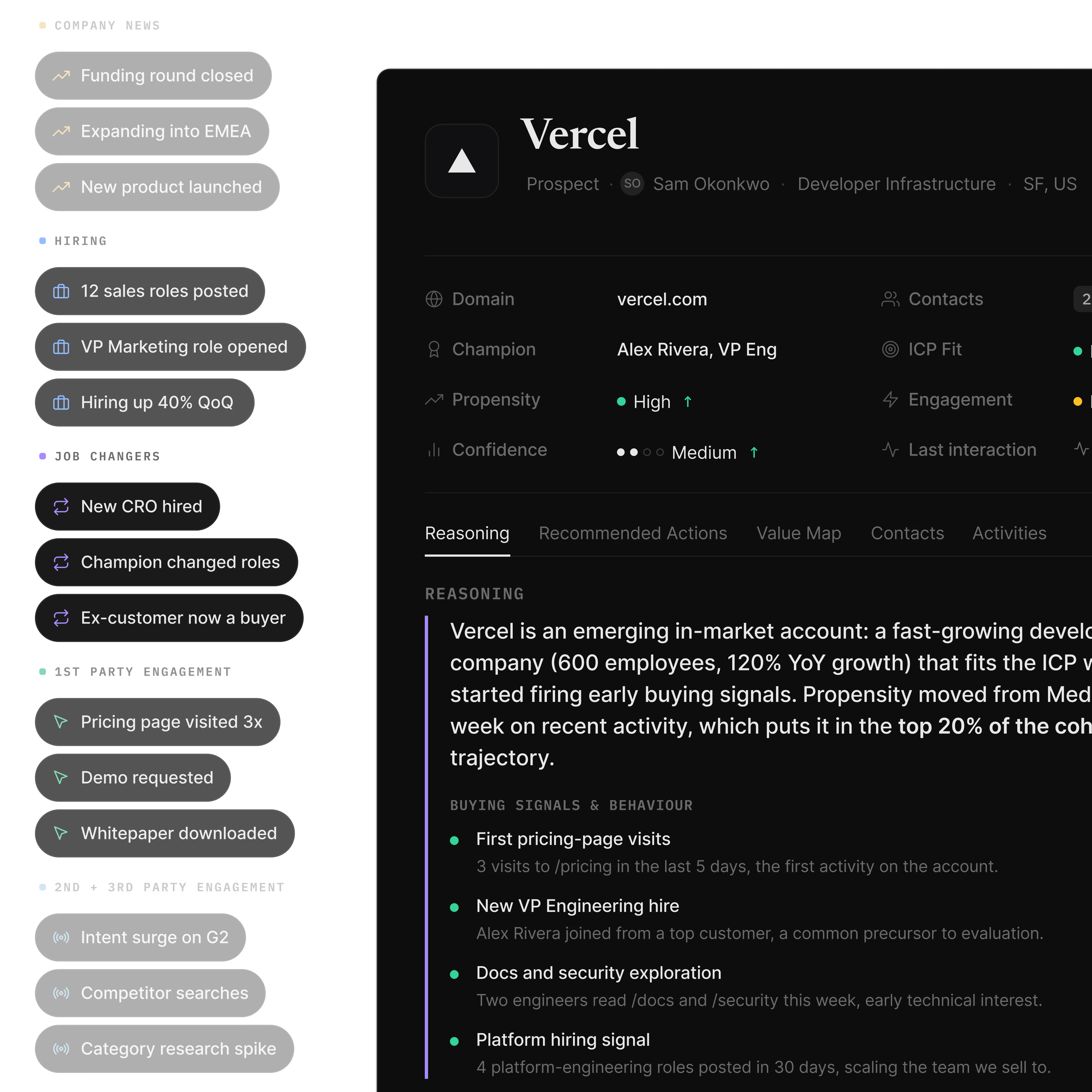
Agents know the live state of an account - combining signals with an understanding of your ICP, personas, and why they buy. They route the best accounts to reps and relevant campaigns.

4x

pipeline created

02

Personalized outreach at scale

Agents research every account, understand what pain + value proposition is most relevant, and craft messaging tuned to your tone of voice.

3x

reply rates

03

Reps + agents know what converts

Codify what works, then surface the right message at the right moment. Every rep runs the play of your top performer.

50%

faster new hire ramp

04

Reps prospect, agents own the busywork

List building, account research, contact enrichment, message drafting. Agents prepare the foundations, whilst reps focus on conversations.

+40%

increased rep capacity

05

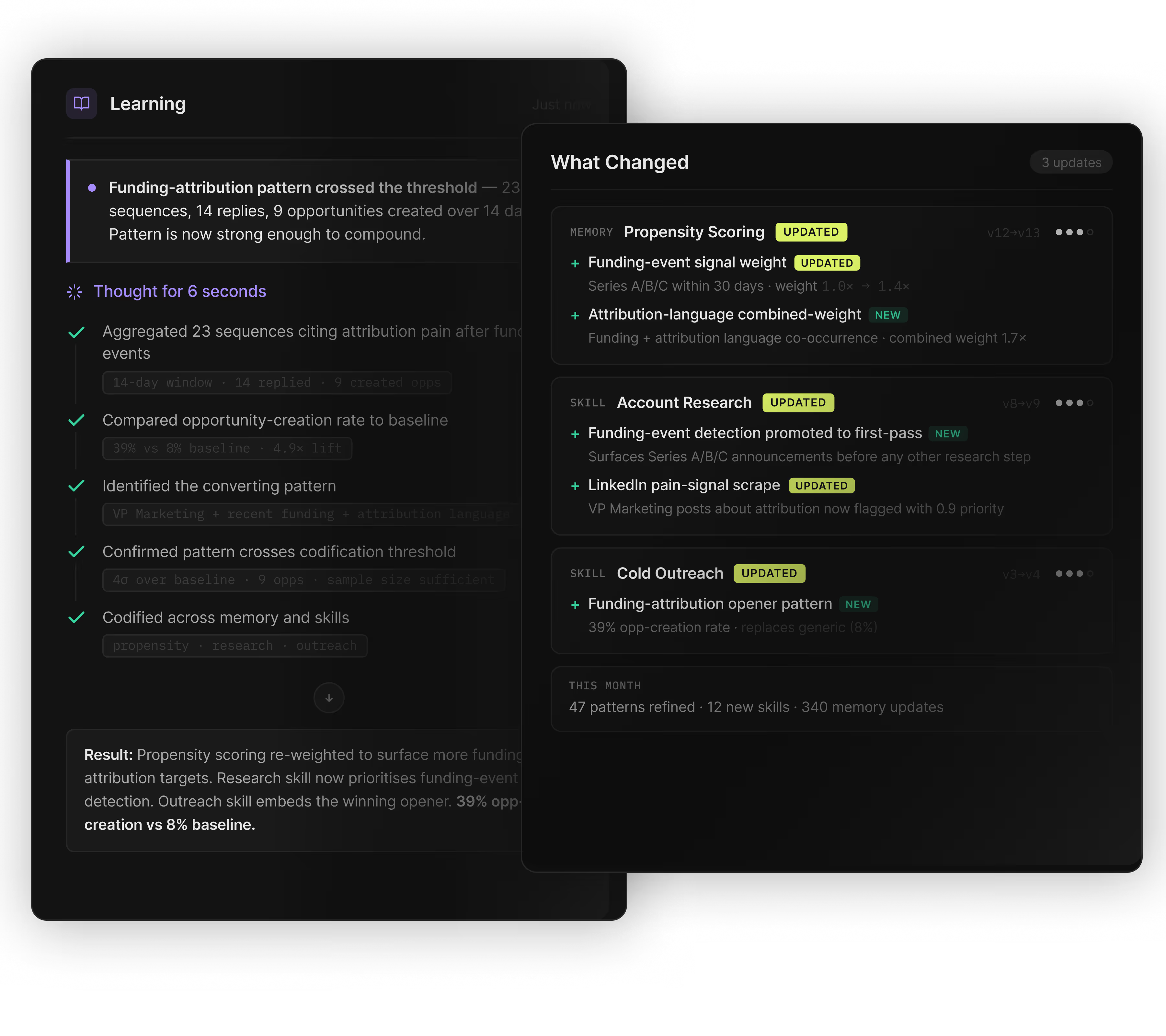
The system learns from every reply + meeting

Every open, reply and meeting delivered is captured, analyzed, and learned from. The system understands what converts, and codifies the learnings for all reps + agents to benefit from.

>85%

in-market signal accuracy

05

Centralize your GTM's knowledge

Millions of signals, thousands of accounts, hundreds of plays - all codified in a single intelligent GTM system, accessible by teams + agents.

2x

meetings booked per rep

How we do it
Observe

Every account, signal and activity, unified.

Instant visibility into what’s happening, what’s changed and what to prioritise on 100,000s of records.

>
Connect your GTM tech stack - CRM, dialler, sequencer, signals and more.
>
Ingest signals relevant to your GTM across every account and contact.
>
Build unified context from fragmented data sources
In Practice

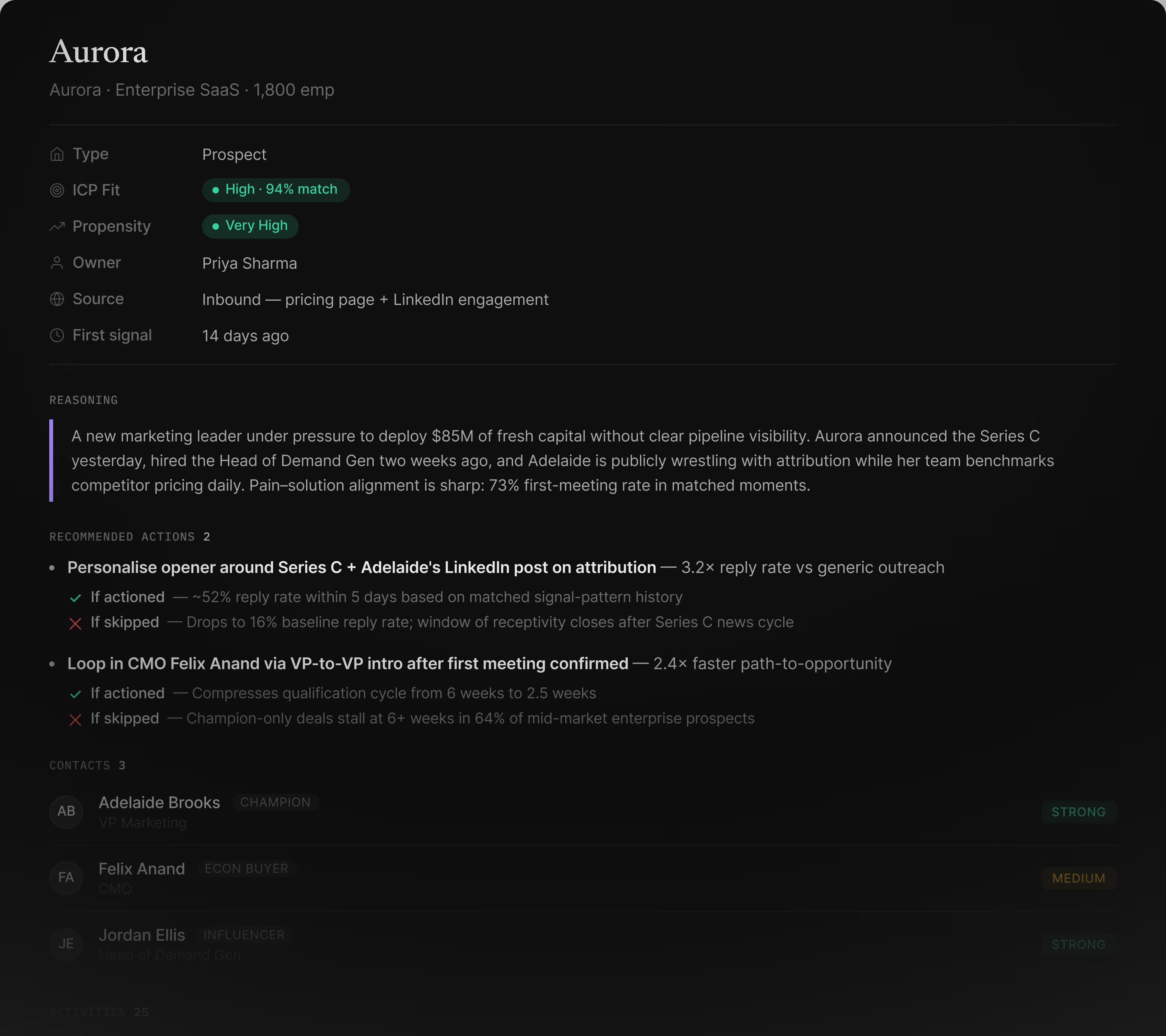
An ICP-fit account has been hiring aggressively, and a former champion joins as VP RevOps. Agent surfaces the account to the right rep, with the reasoning, the contacts, and the best opening message - before competitors get there.

Learn about the Context →
Understand

Enable reps + agents with the right context, on the best accounts.

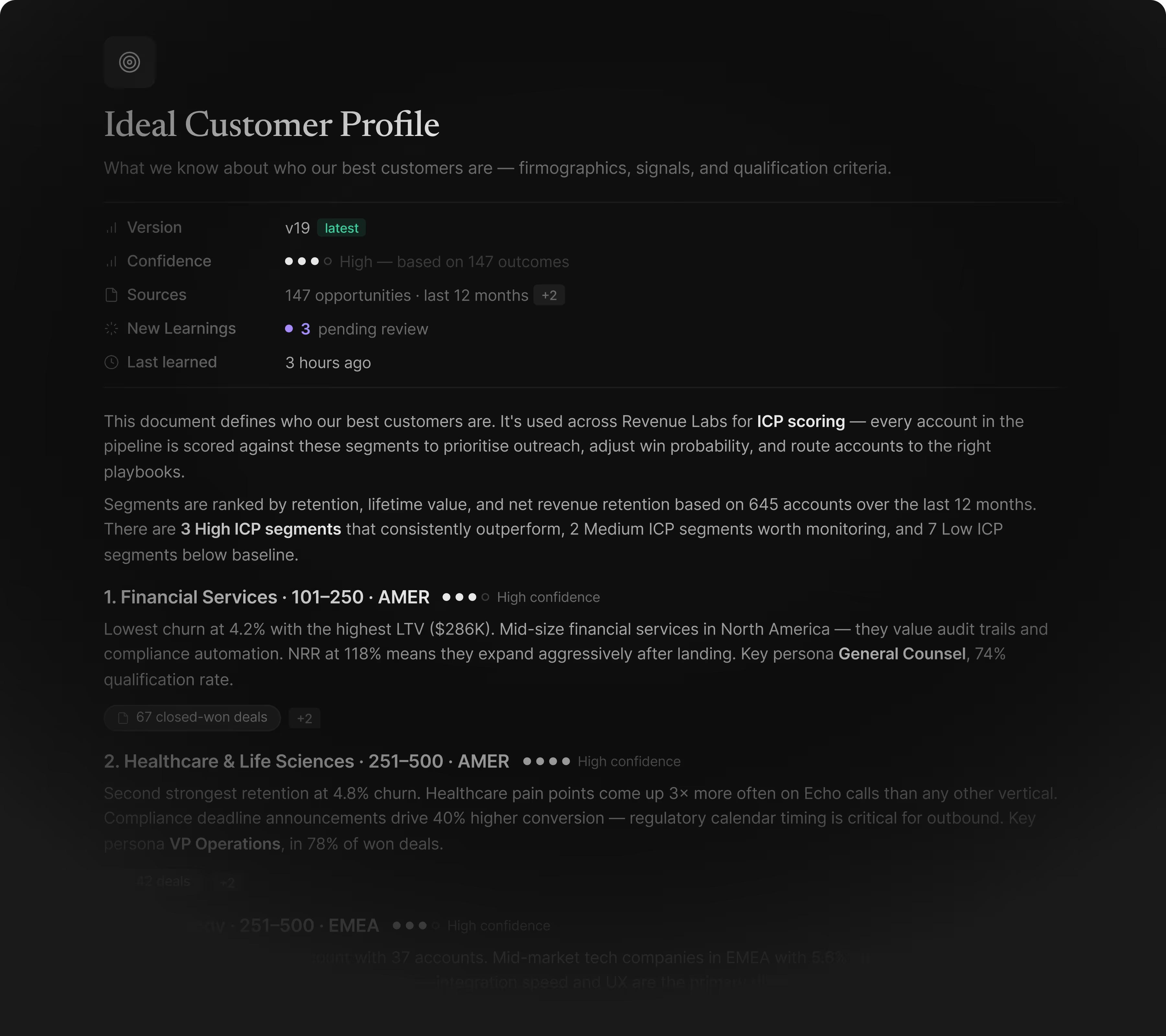
Codify which accounts convert, which personas have buying influence, and what messages land. An encoded single source of truth on your prospecting motion, accessible to your reps and AI.

>
Segmentation + personas derived from the deals you've won
>
Understand what pains trigger opps created + booked meetings
>
Know which signal clusters reveal the accounts ready to buy
In Practice

Accounts where a 'VP RevOps' replies inside the first three touches convert to opps at a 2.8x greater rate. When identifying in-market accounts, agents surface the VP RevOps a key contact to prospect.

Explore Memory →
Decide

Know who to target, why, and the best approach to prospect.

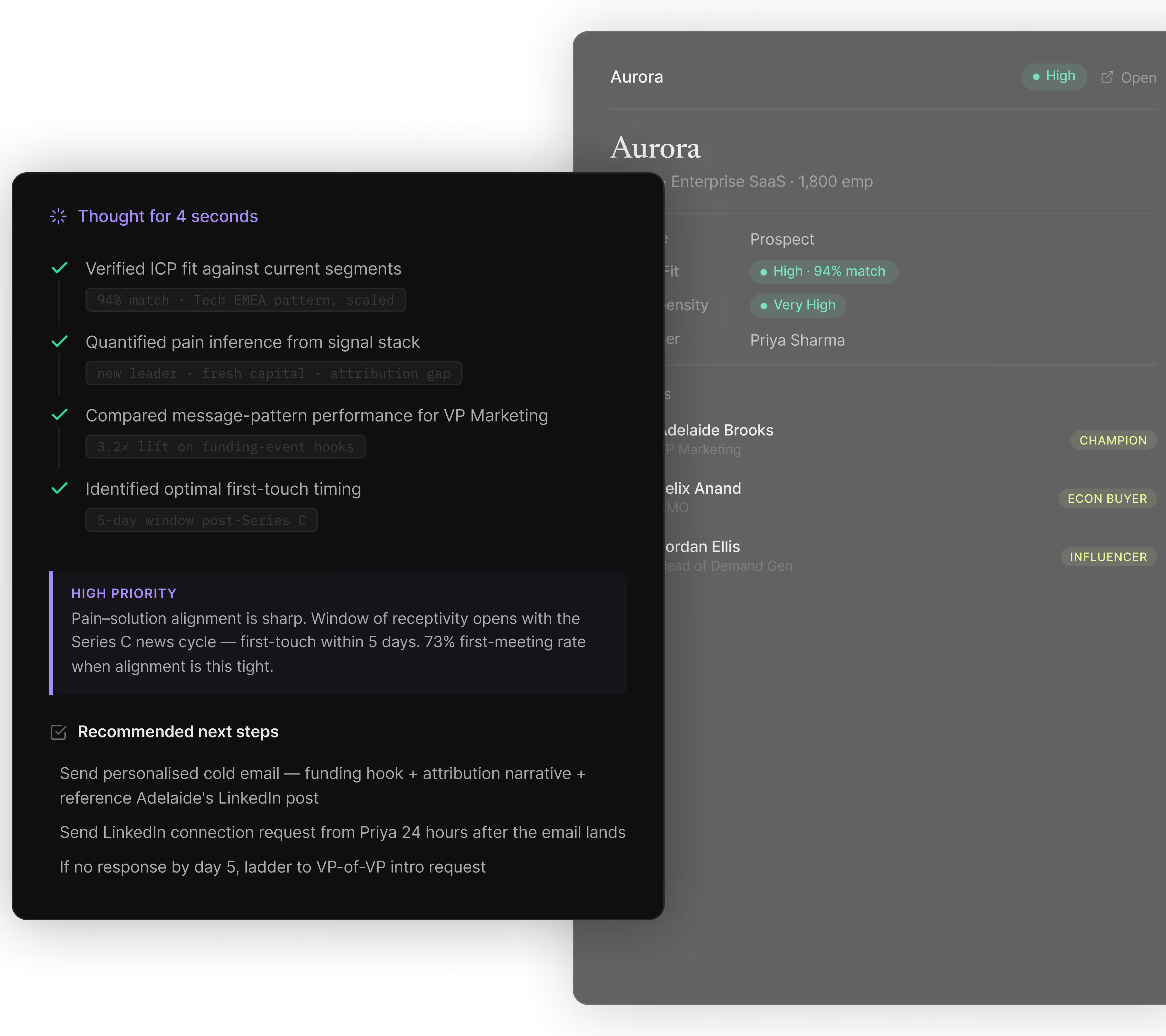
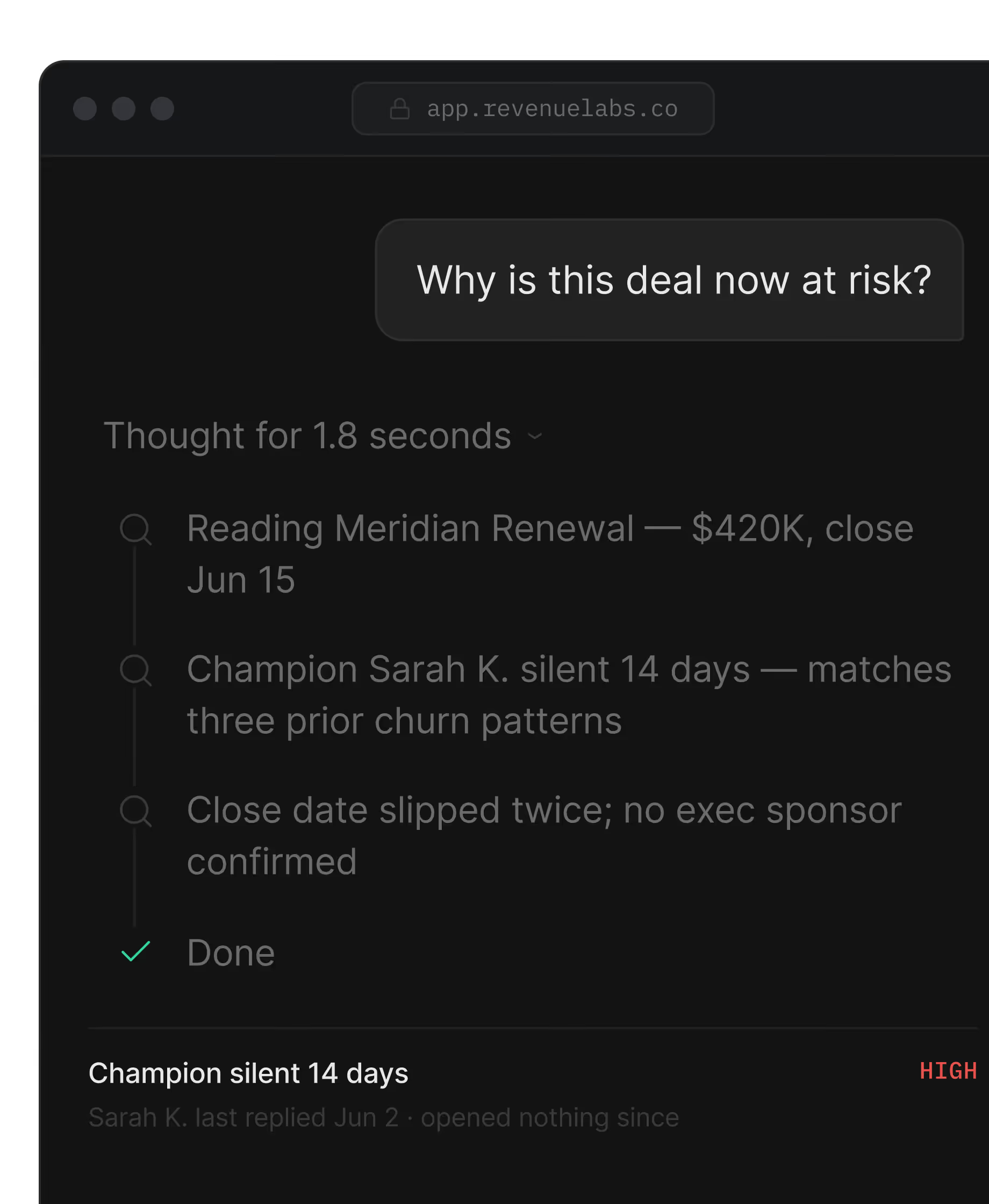
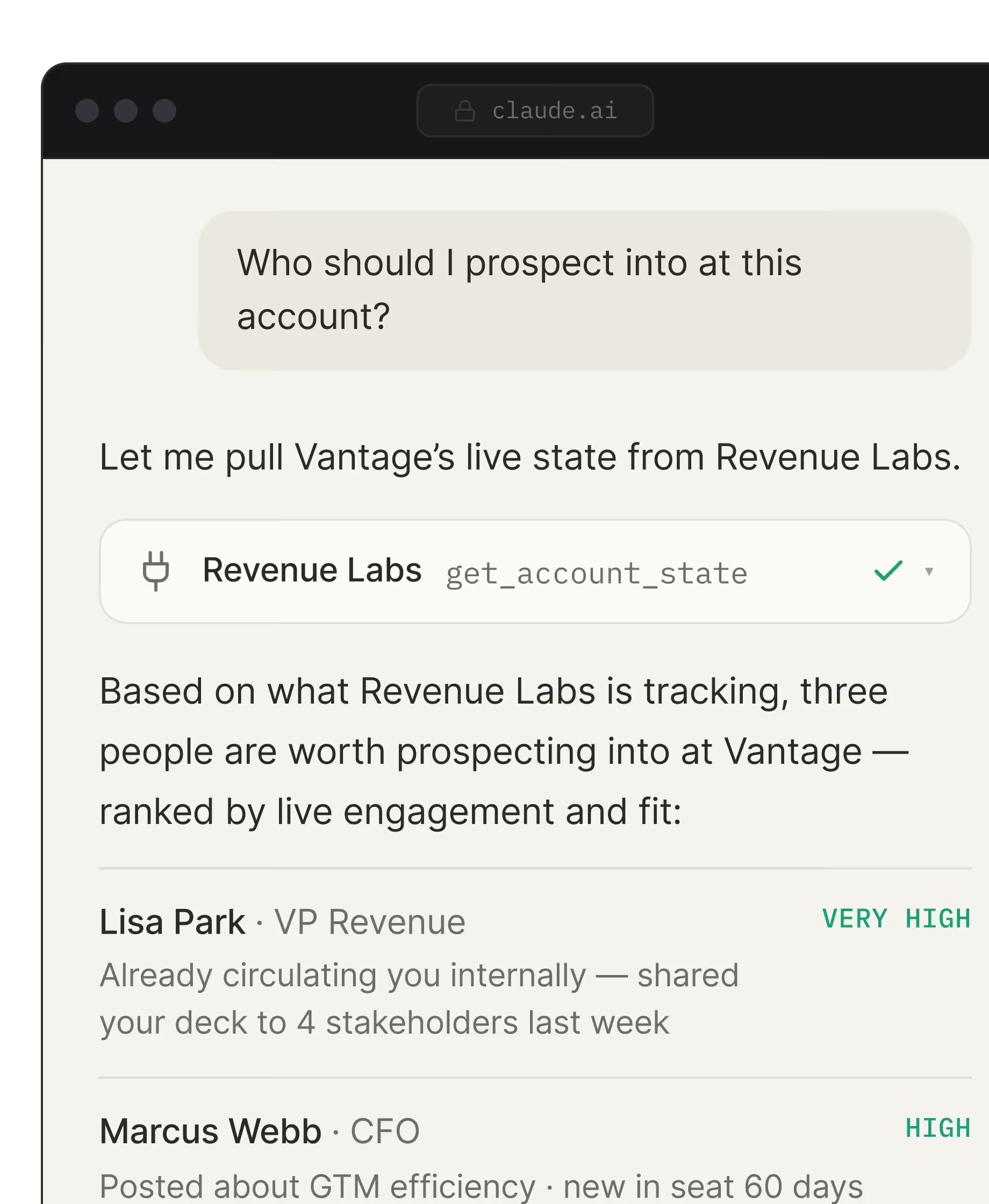
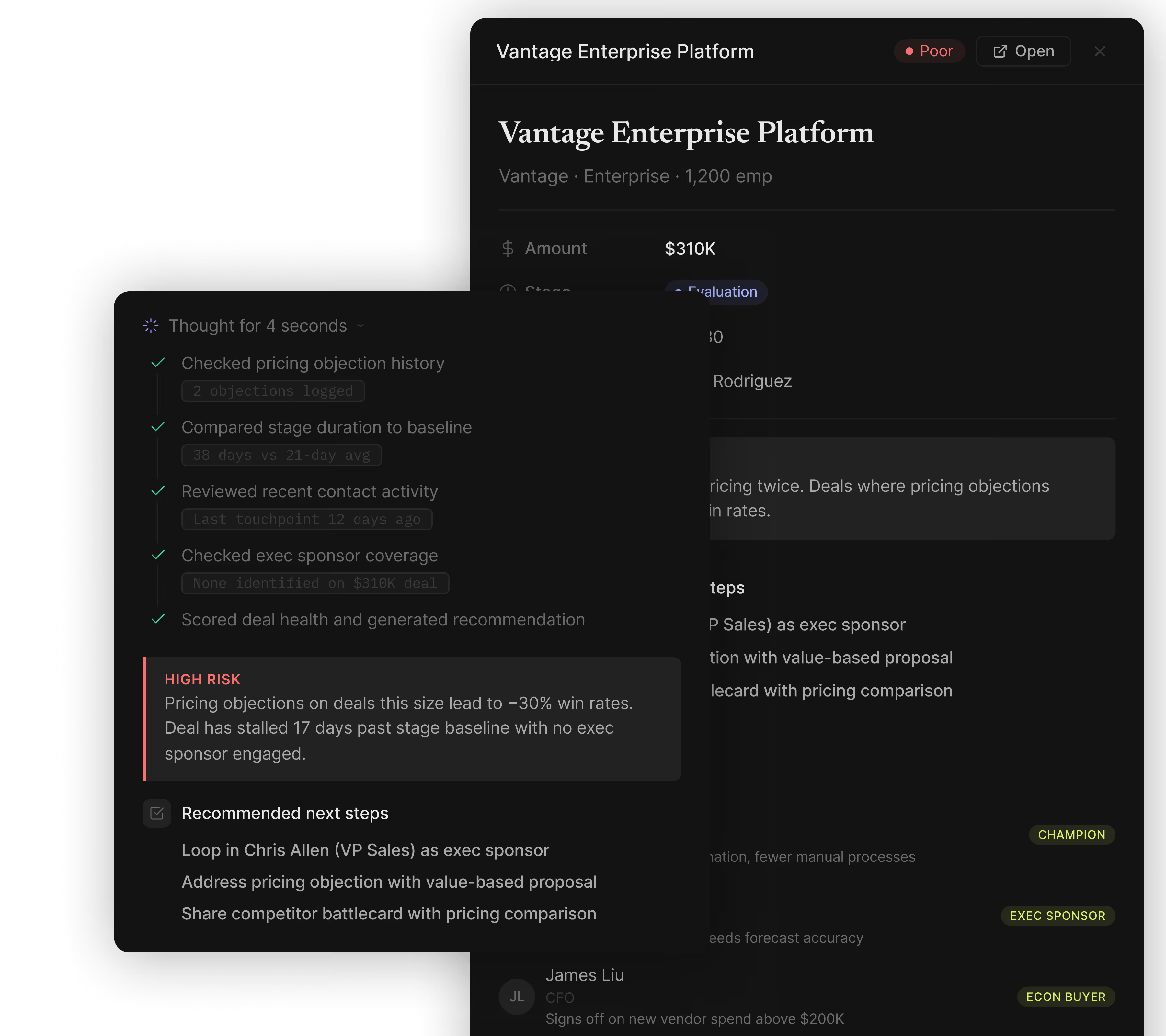
Agents research accounts, understand their live state, and surface the high priority prospects, at the right time.

>
Prioritize accounts based on propensity-to-buy, not single signals.
>
Enhance rep instinct with agent reasoning - supporting their skills with the best accounts.
>
Surface key contacts within accounts, with reasoning why they are best to multi-thread
In Practice

A target account opens two emails in a week, but never replies. The agent observes a new VP RevOps has joined, website activity is spiking, and they're engaging on LinkedIn. Before the next call block, the agent surfaces the opening, the contacts, and the best channel to break through.

Explore Memory →
Act

Guide reps to faster, more effective prospecting.

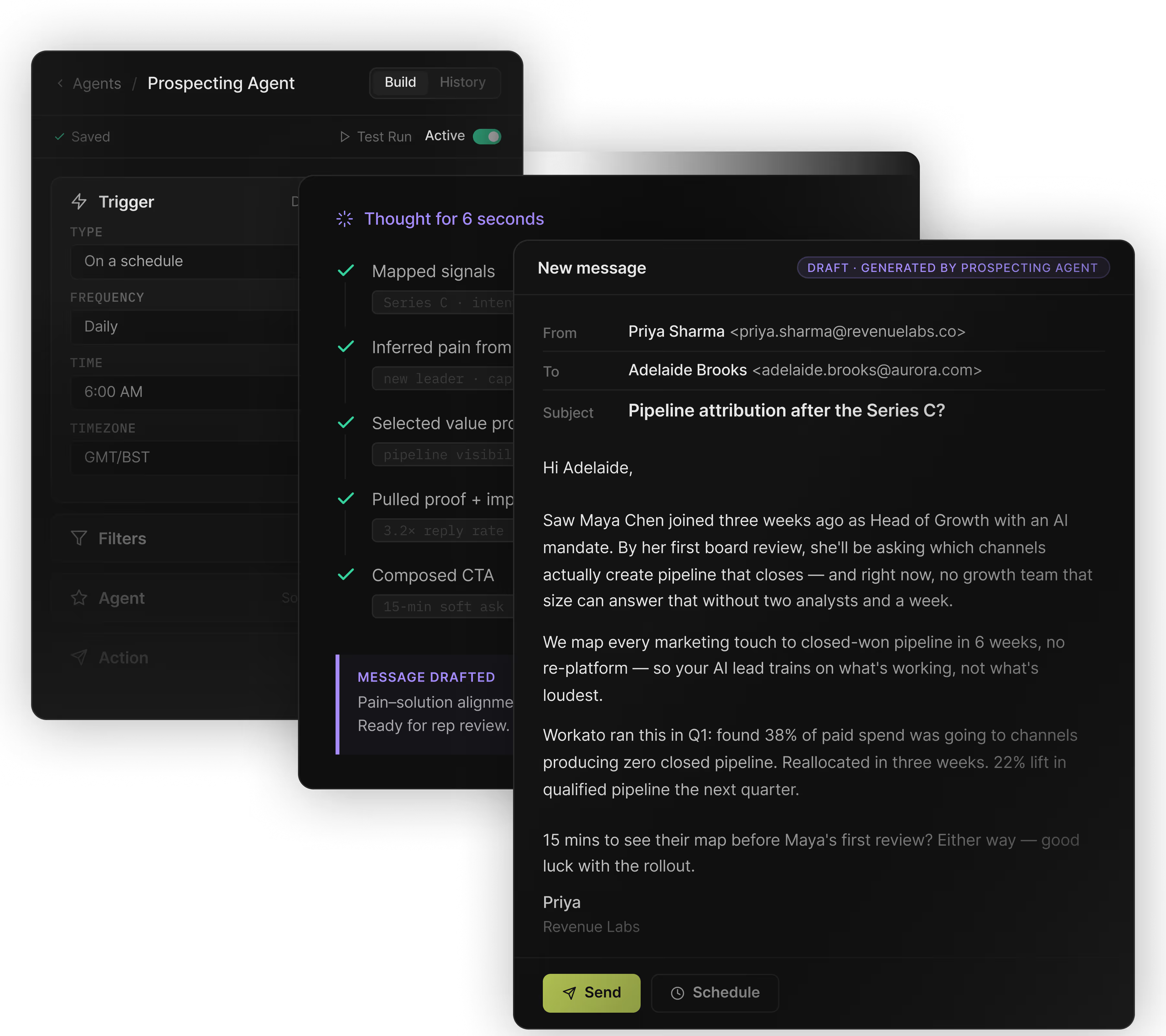
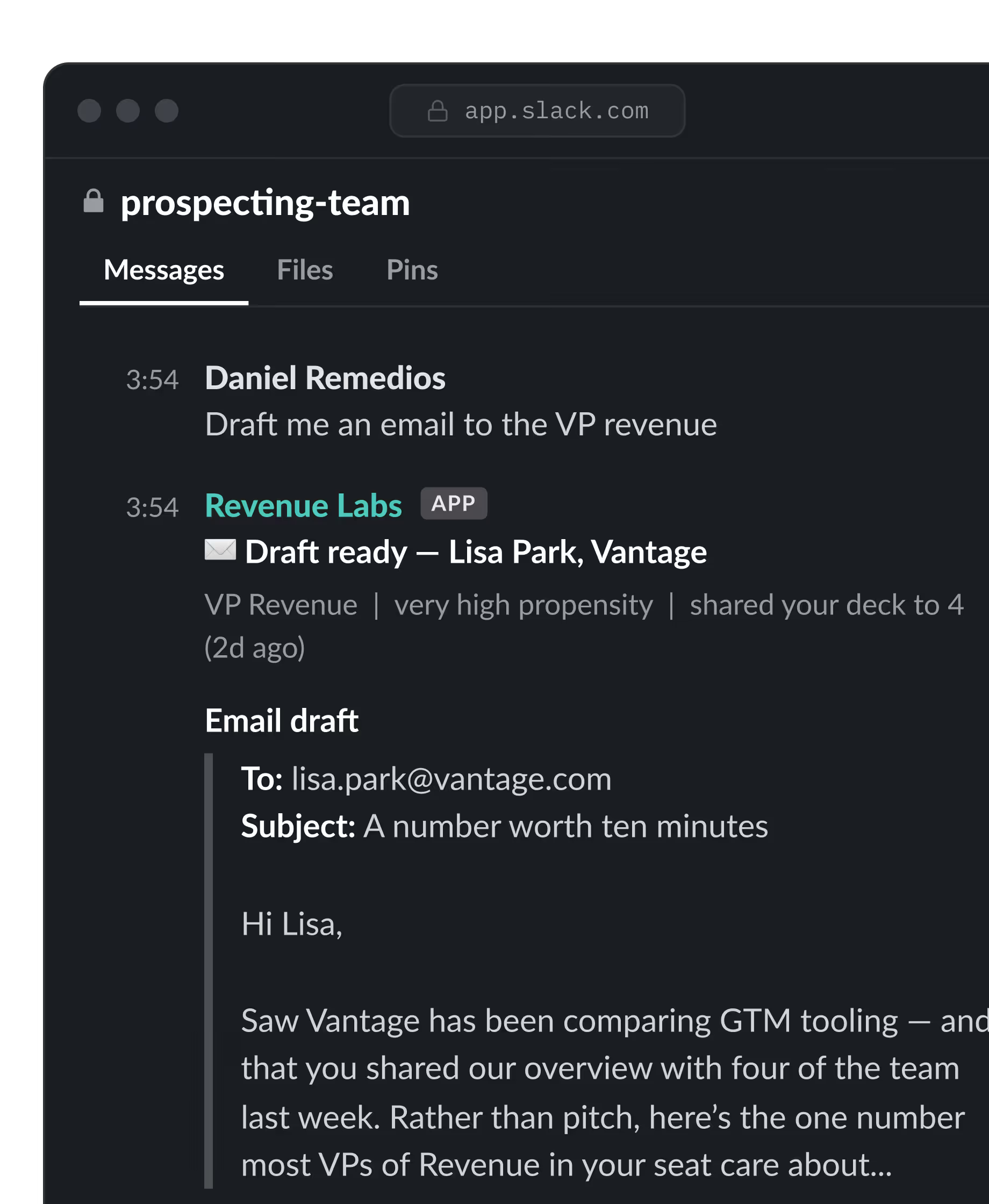
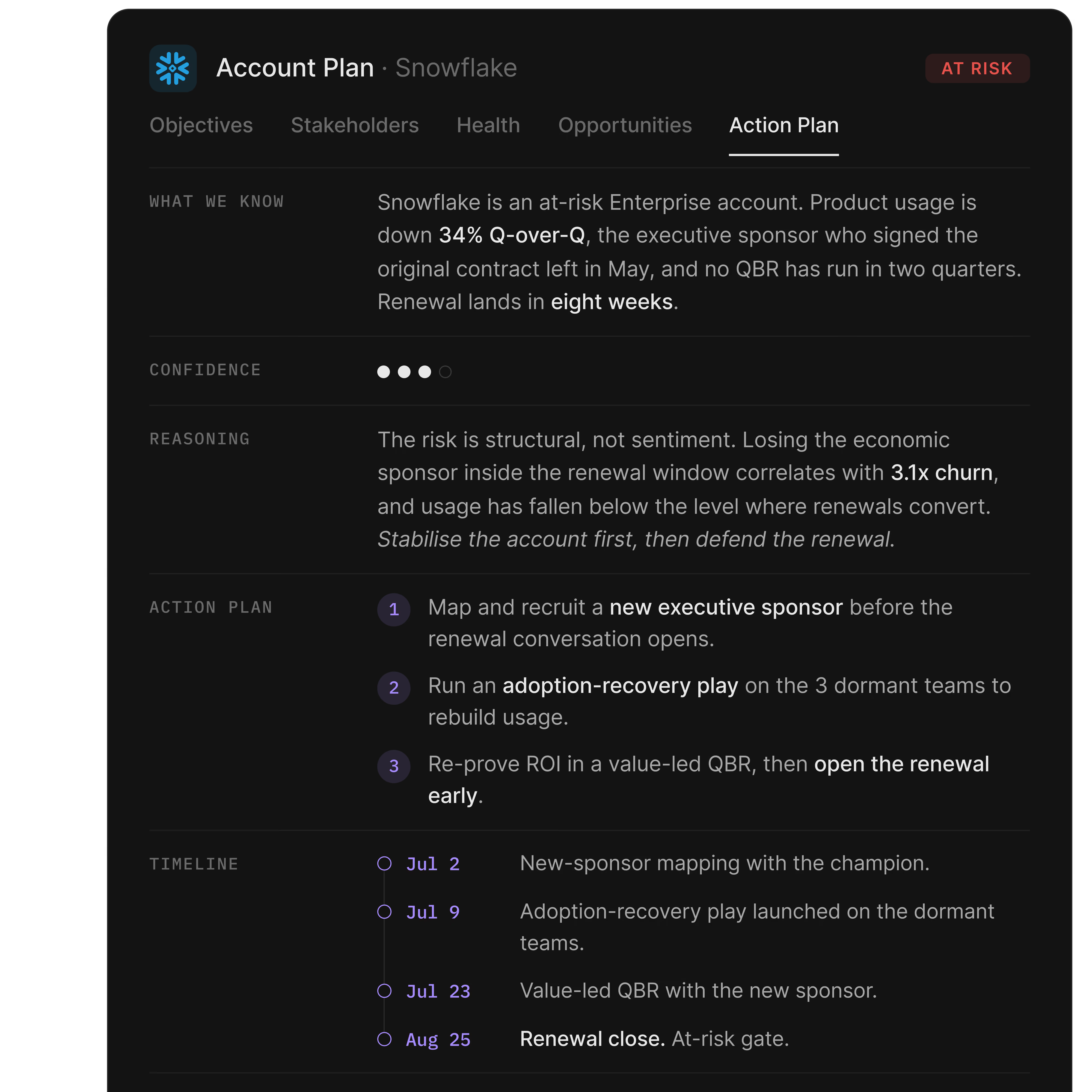
Recommend the best next step when prospecting, when reps need it. Build agents to do the repetitive tasks, so reps can focus on having conversations.

>
Agents handle deep research, drafting emails + scripts, prepping for meetings + more
>
Coach reps to better discovery post-call
>
Define skills for activites, enabling agents to guide your team with the skill of the top performers
In Practice

Before tomorrow's call block, the system prepares: 25 prioritized accounts, full research, value maps, and drafted scripts - ready for the rep to review and dial.

Explore Agents →
Learn

Every outcome makes the next one better.

Your prospecting motion gets sharper with every booked meeting, and every opp created. The system captures what worked, why, and what can be improved next time.

>
Memory evolves with live outcomes, refining the next emails sent, calls made, and messages delivered.
>
Capture the activity of every agent, its reasoning, and the outcome
>
Agents recommend the upgrades, and why; you control what changes
In Practice

After Q1 closes, the system detects that accounts opened with a peer-customer reference reply 38% more often. It proposes updating the outbound playbook - pending your approval.

Explore Learning →

HOW REVENUE LABS ENABLES SMARTER PROSPECTING TEAMS

TryHackMe

"We set the bar at a 50% lift in contact-to-opportunity. We got more than 10x. Same team, a third less work, 3.8x the pipeline — Revenue Labs had our reps on the accounts our own ICP score had missed."

3.8x

pipeline created

8x

meetings booked

33%

less rep activity

Enterprise trust

Your revenue data never trains our models — and every agent action is logged so you can prove it.

See our security + trust →

Certified against

ISO 27001:2022

GDPR

CCPA

Data Protection Act 2018

SEE WHY SALES+ MARKETING LEADERS CHOOSE REVENUE LABS

The prospecting teams that learn fastest will win.
Start today.

See what AI-native prospecting looks like.
Or start with a 30-minute GTM Diagnostic.

FAQ

More about Prospecting.

If it's not here, we'll answer it live.

Talk to us
How long does setup take?

Days, not quarters. Standard connectors, live state on every record and artifacts are live in the first week. Prospecting agent is running inside two. By week four, agents are orchestrating across your GTM. No data warehouse to stand up. No model to train from scratch. No rep workflow change on day one. The system starts learning from your motion the moment it's connected.

Does this replace HubSpot or Salesforce?

No. HubSpot and Salesforce are systems of record. Revenue Labs is the system of intelligence that sits on top of them. We connect to your CRM, read the records, write context back, and surface the next best action where reps already work - in Salesforce, in Slack, or via MCP. The CRM you have stays. What changes is how much of it is filled, by whom, and how useful the record becomes. CRM hygiene typically fixes itself inside the first quarter - because the system that captures the signal also cleans the record.

What signals do you have that I can't get in Clay or Apollo?

That's the wrong frame for what Revenue Labs does. Clay and Apollo sell signals - intent topics, hiring spikes, technographics. We are the GTM Intelligence Infrastructure that turns those signals into action. The same hiring signal Apollo flags as a row in a list becomes - inside Revenue Labs - the contact it points to, the pain hook it activates in your value map, the message your top performer would send, the channel it should go on, and the outcome the system expects back. Signals on their own are noise. Signals in context are pipeline. Most teams keep their signal vendors and run them through Revenue Labs - that's where the compounding happens.

Will this replace our marketing team?

No. It removes the work between marketing and pipeline. Today, marketing generates intent, content and campaigns - and most of it dies in the handoff to sales. Revenue Labs picks up the handoff: scores the accounts marketing surfaced, routes them to the right rep, drafts the outbound off your campaign assets, and reports back which message actually landed. Marketing keeps the strategy, the campaigns, the brand. They lose the part of the job that was begging sales to follow up.

How does it know which accounts to prioritize?

By learning from the accounts that actually converted in your pipeline - not from a generic propensity model. The system reads your won deals, identifies the patterns and trends that preceded them (hiring patterns, technographics, ad activity, news, persona shifts), and weights every live account against those patterns. ICP fit is the floor, not the score. An account that matches your ICP but lacks the converting signal stack gets deprioritised. An account that doesn't ICP-fit on paper but hits the stack gets surfaced. Reps work in the order the system recommends, and the order updates the moment a new signal lands.

Can I use this for ABM campaigns?

Yes - and most ABM programmes get sharper inside the first month. We build the account + contact list, matched to your ICP and personas. The system surfaces which accounts on it are actually in-market right now, which contacts to engage at each one, which message to lead with given the signal stack, and which channel to run it on. Agents handle the research, drafting and personalisation across every account on the list - so coverage doesn't depend on which rep got the best brief. ABM stops being a list and starts being a live motion.

Do I need a data team or engineers to use this?

No. Integration, modelling, infrastructure - we run all of it. Forward-deployed engineers connect your stack, tune the account scoring to your motion, and refine what the system learns from as your ICP evolves. No code. No SQL. No data scientists. If you want a custom signal stitched in, a CRM field written differently, or a new agent skill built - we ship it for you. RevOps stays focused on the go-to-market motion, not the pipeline plumbing.

How does the system learn from our campaigns?

Every sent message, opened email, clicked link, booked meeting and ignored sequence feeds the loop. The system identifies which signals predicted the reply, which pain hook landed, which contact role responded, which channel worked at which step. Then it applies the lesson to the next account that looks the same. After Q1 closes, you'll typically see the system propose 10–15 cadence upgrades based on what actually converted - not on what the rep with the loudest voice said worked. You approve the change; the system rolls it out across the team.

What's the ROI timeline?

First quarter, reps spend 30–40% more time selling - the research, list-building and drafting they used to do moves to agents. Second quarter, conversion-to-meeting compresses; pilot customers have seen 8x meetings booked at 33% less activity. By the third, the system has enough closed-loop data to tune the motion: cycles shorten, cost-per-meeting drops, and coverage variance compresses inside 15%. The compounding isn't a curve in year two - it starts in week three, when the first plays the system codified hit the inbox.

How does Revenue Labs help us stop wasting budget on bad accounts?

By telling you which accounts on your target list were never going to buy - before reps work them. The system scores every account against the signal stack of your won deals, and the accounts at the bottom get deprioritised or removed from the rep's day. In the Neurons pilot, the test group worked 40% fewer accounts and built 3.8x the pipeline - because most of the budget the control group spent went to accounts that didn't have the converting signals in the first place. The hidden cost in most outbound motions isn't tooling. It's the salary spent on reps working the wrong list.