Your AI-native GTM system that learns from every outcome.

We've worked with GTM teams at:
LEARNING

CONTINOUS LEARNING

Every outcome makes your GTM smarter. Observe what's working, what is not, then surface what to change to improve performance. GTM compounds quarter-on-quarter, with you in control.
LEARNING

Now GTM teams and agents run at machine speed, with continous learning.

01

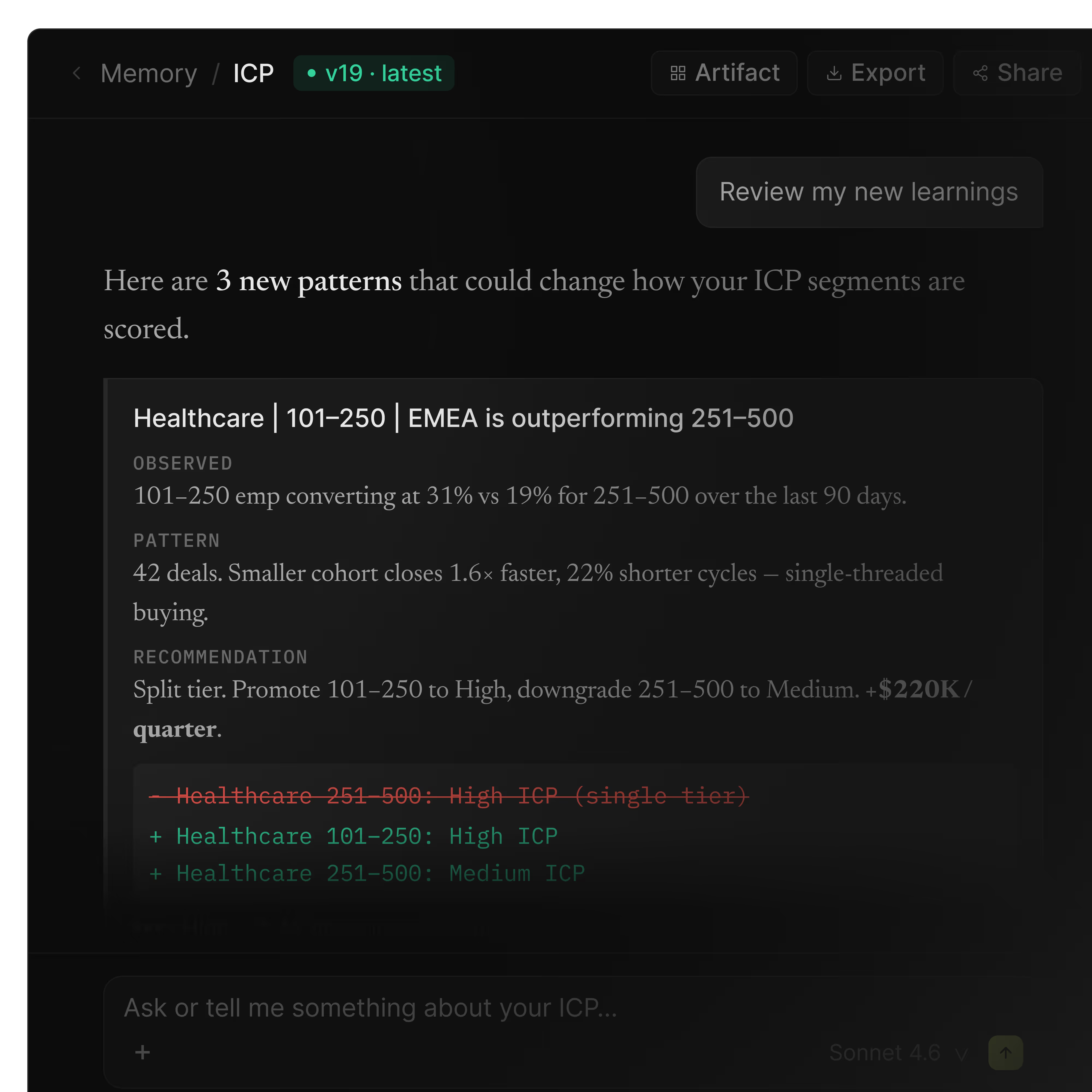
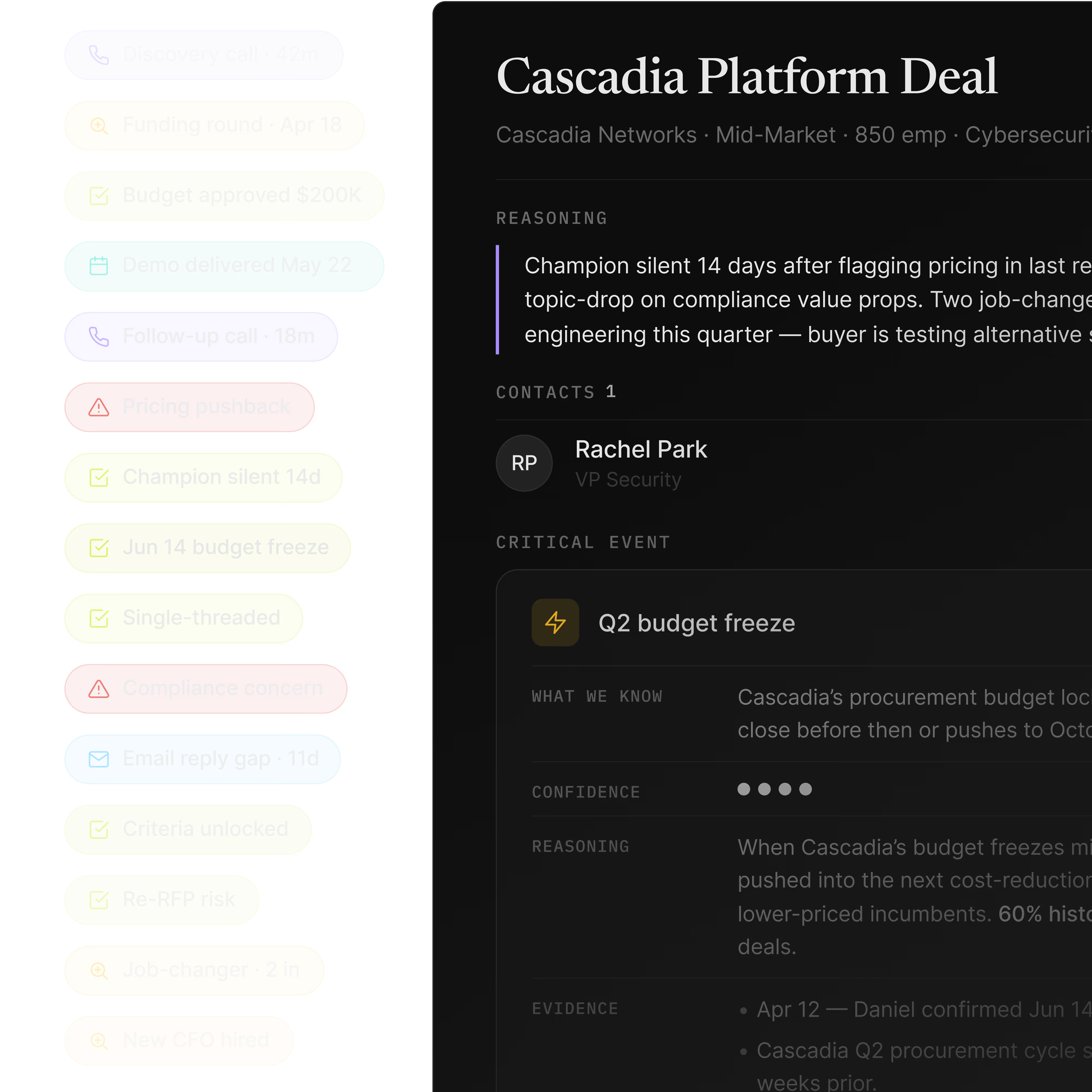
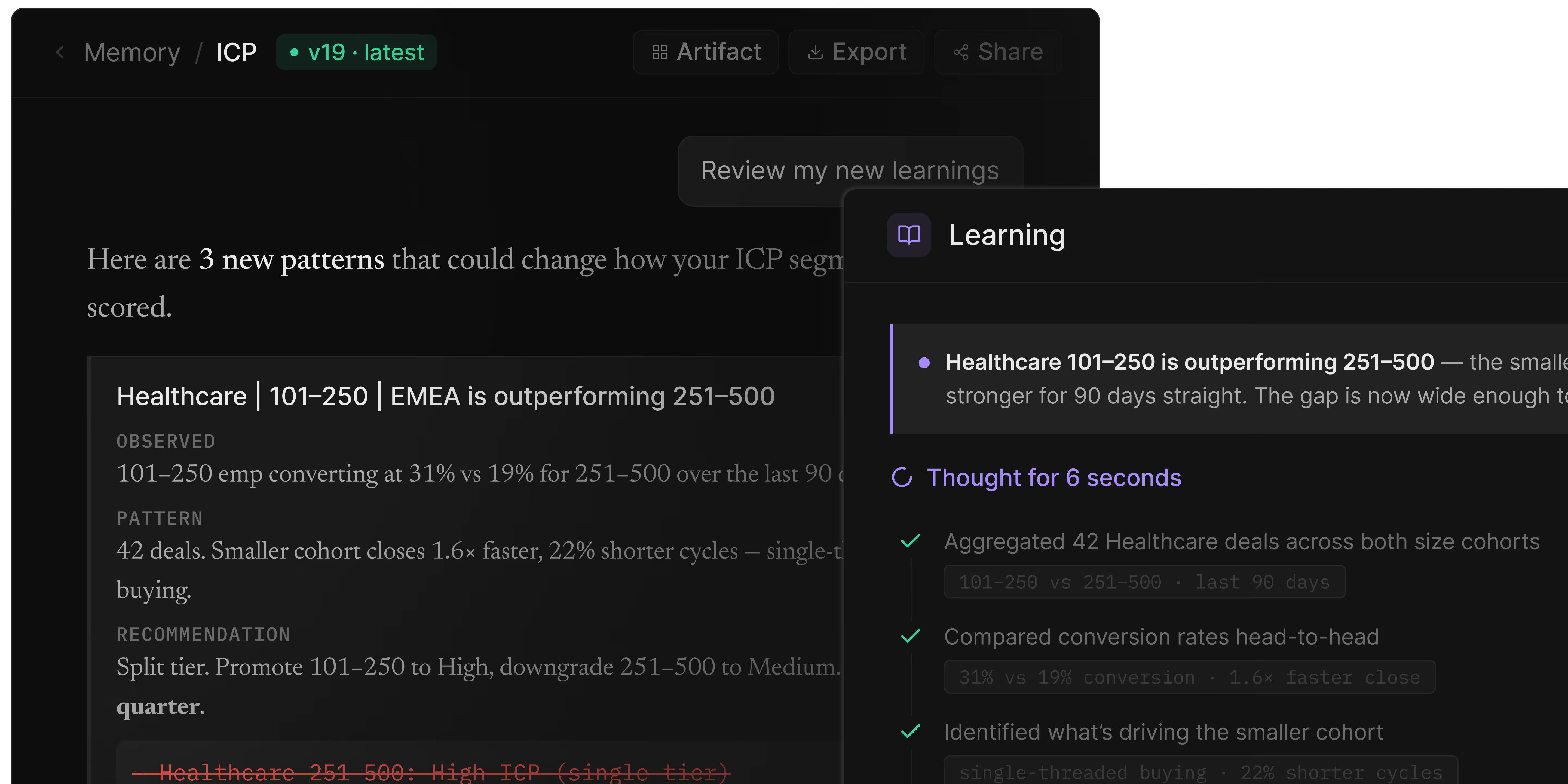
Surface what is working, and what is not

The system sees the trends leading to your won deals, then reveals memory + skill upgrades to improve performance across the team.

Signal unification →
02

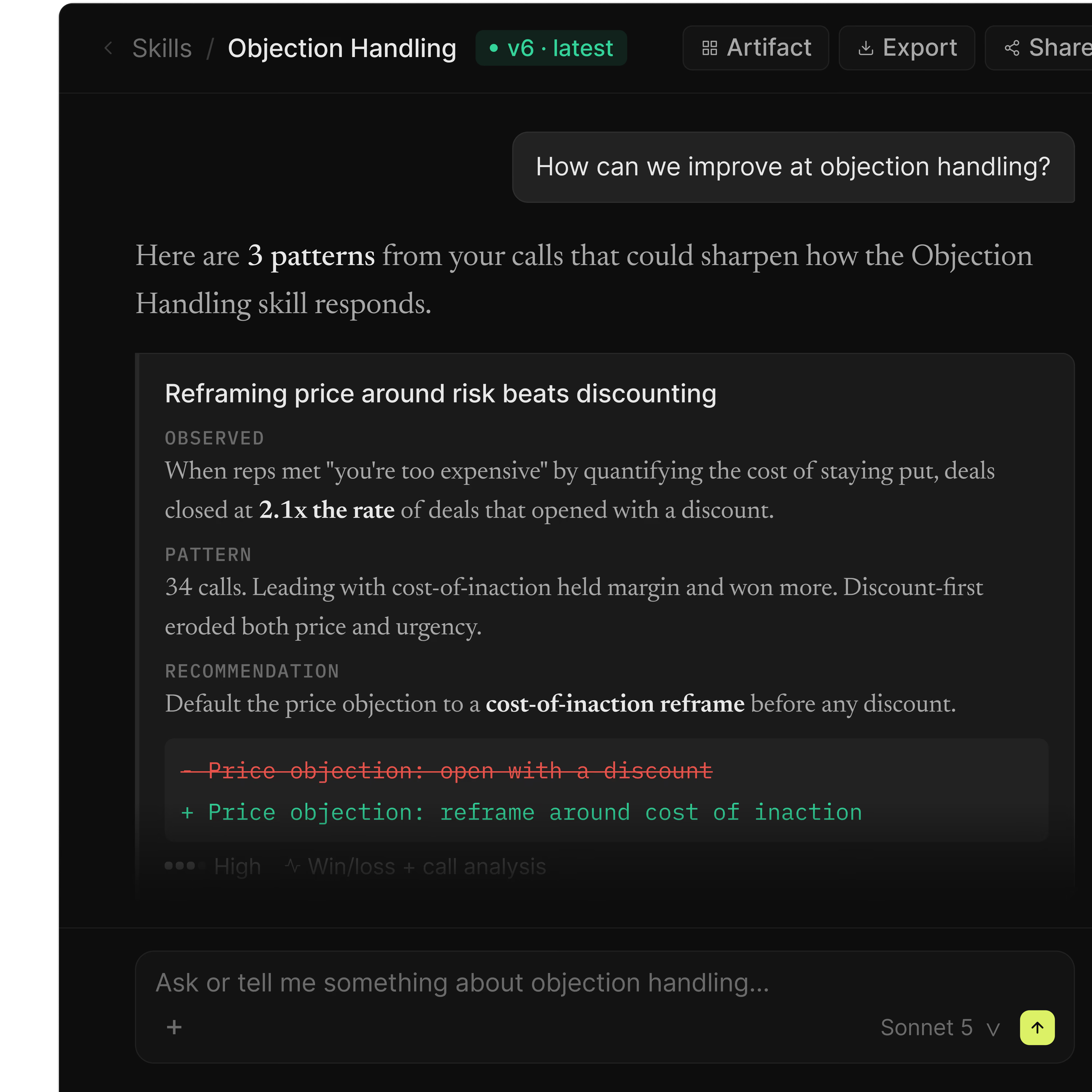
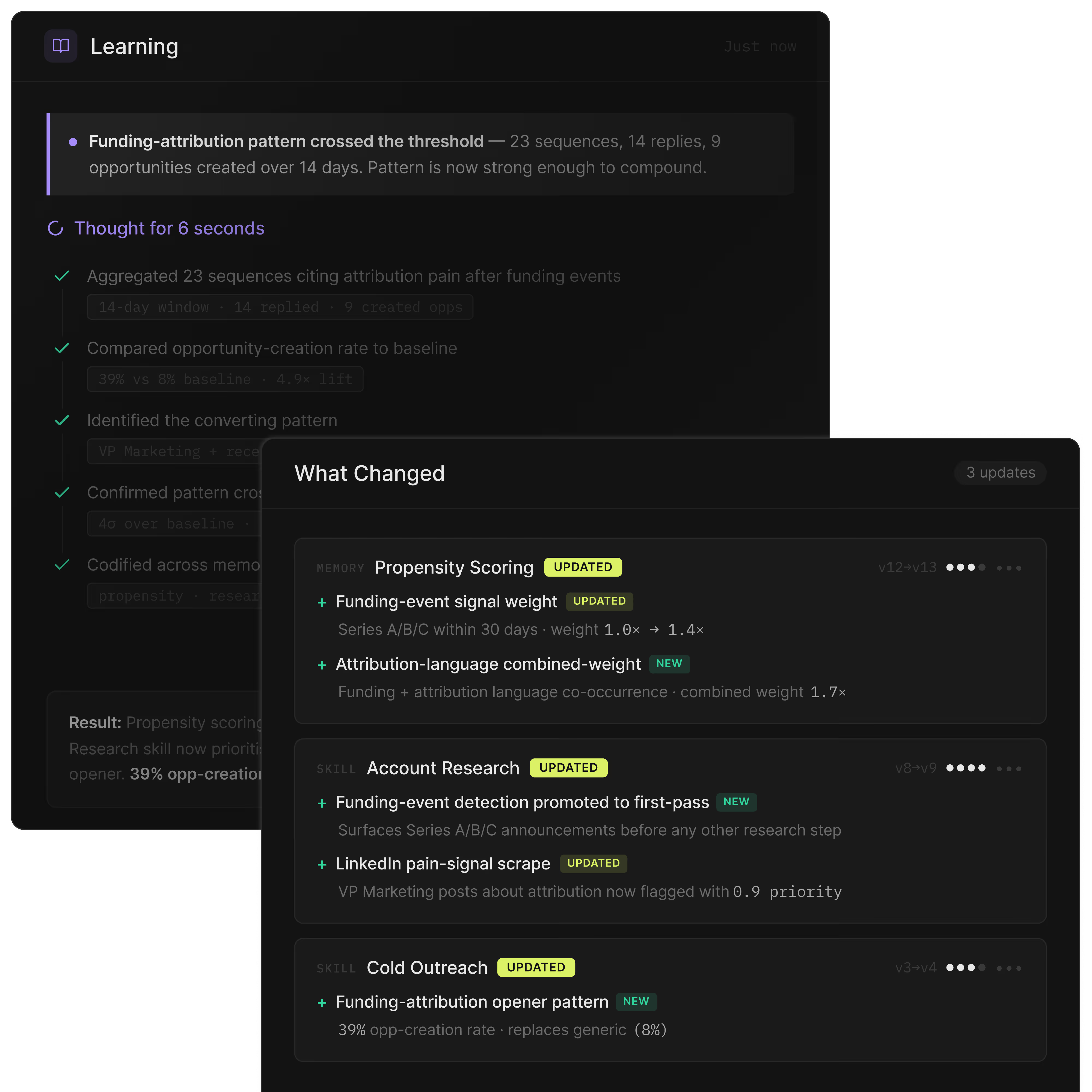
Recommended upgrades, ready for approval

The system shows what is working, why, and recommends changes to memory, skills or agents. You get the evidence, and control over what to approve and upgrade.

Context query
03

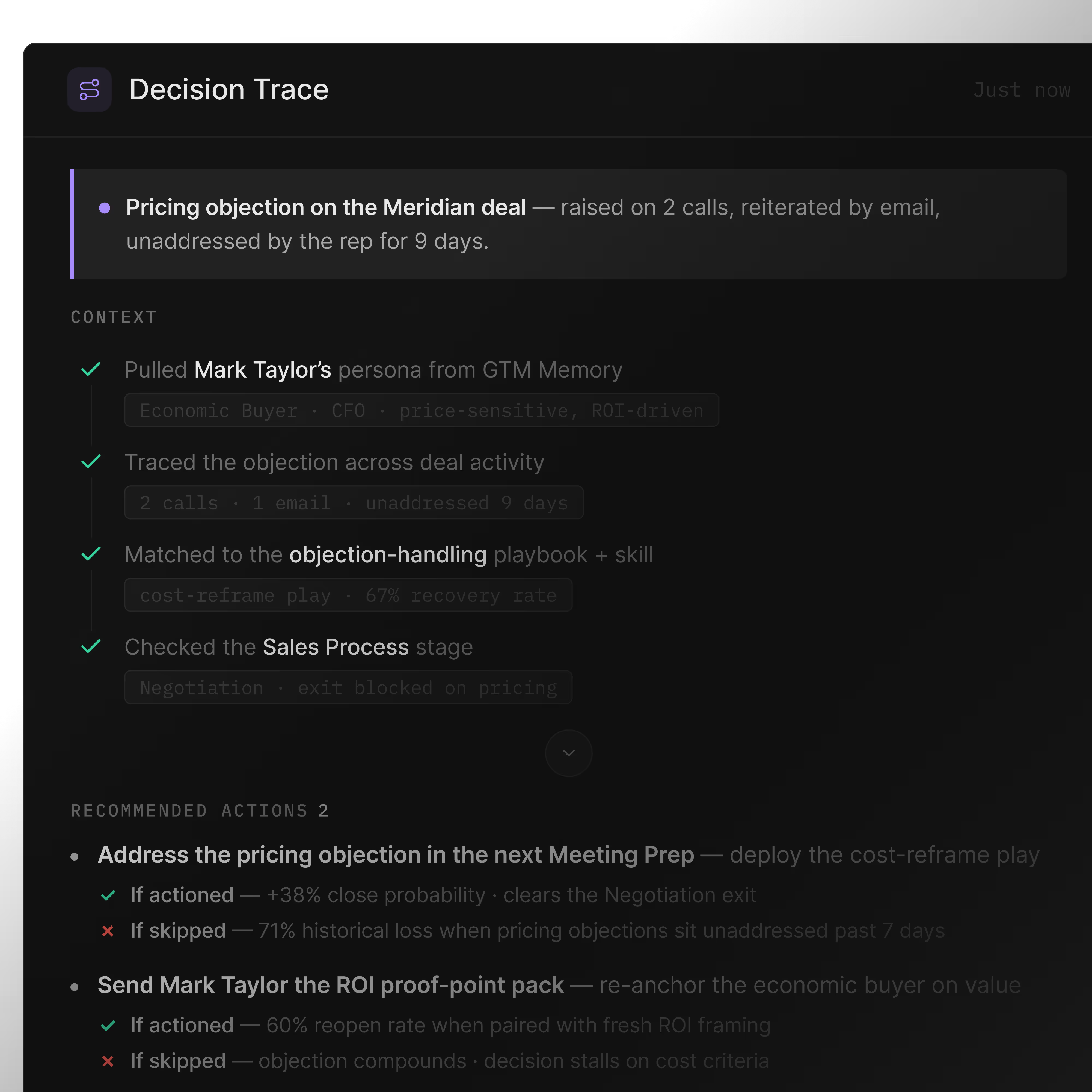
Trace the context, action and outcome of decisions

Upgrades are made by understanding cause and effect at scale. Recurring successful behaviors sharpen reasoning, build confidence, and compound continous learning.

Decision traces

02

Review, revise or reverse any change.

Each agent and learning is fully auditable. See what changed, why, and what impact it is having. As a result, you control the source of truth your team and agents align to.

Committee graph →
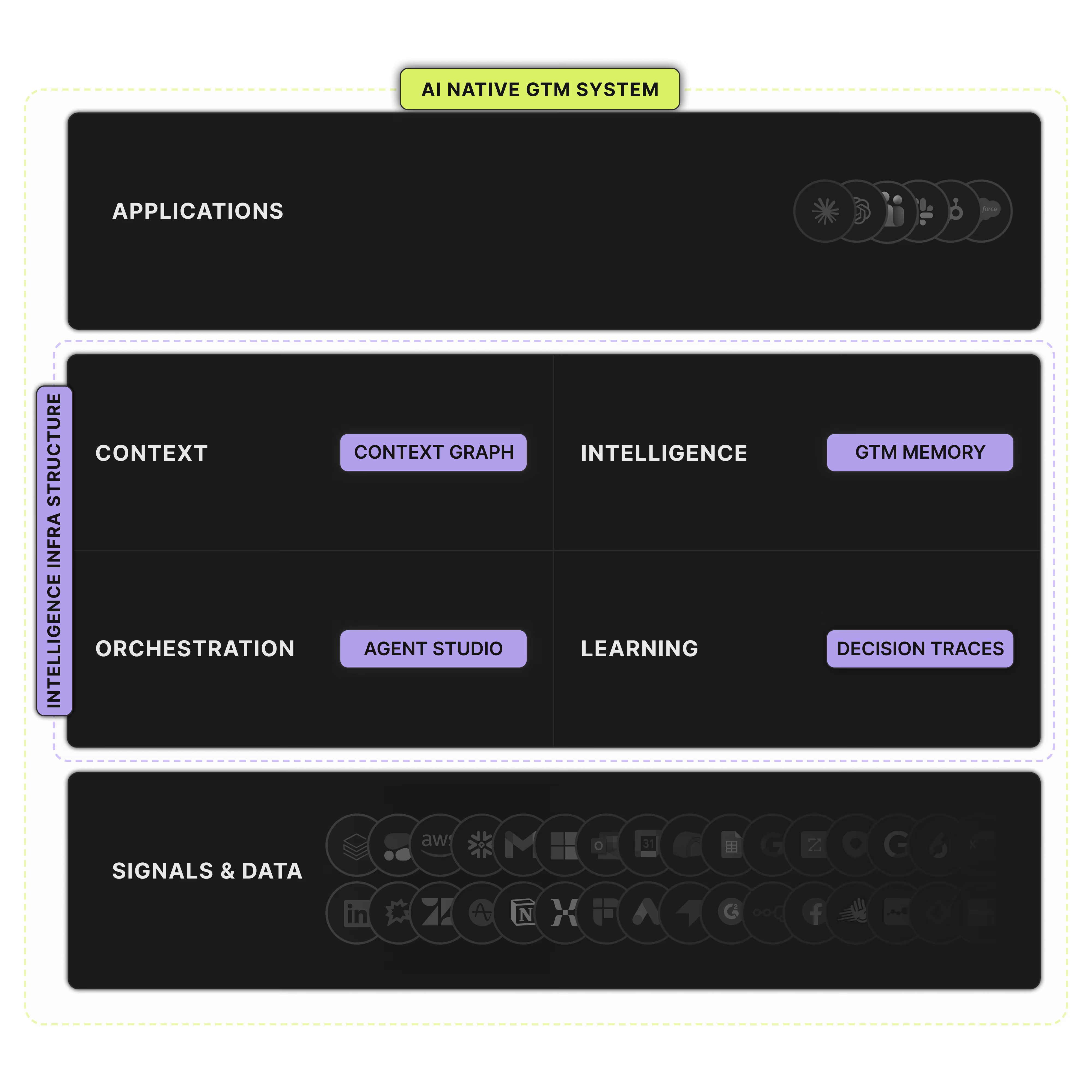
GTM Intelligence Infrastructure

Now GTM teams and agents run at machine speed, getting sharper every quarter.

Live · Cycles every 5s
Context Graph

Live GTM State

Instant visibility into what’s happening, what’s changed and what to do next on 100,000s of account, deals + contact records.

Explore Context Graph
GTM MEMORY + SKILLS

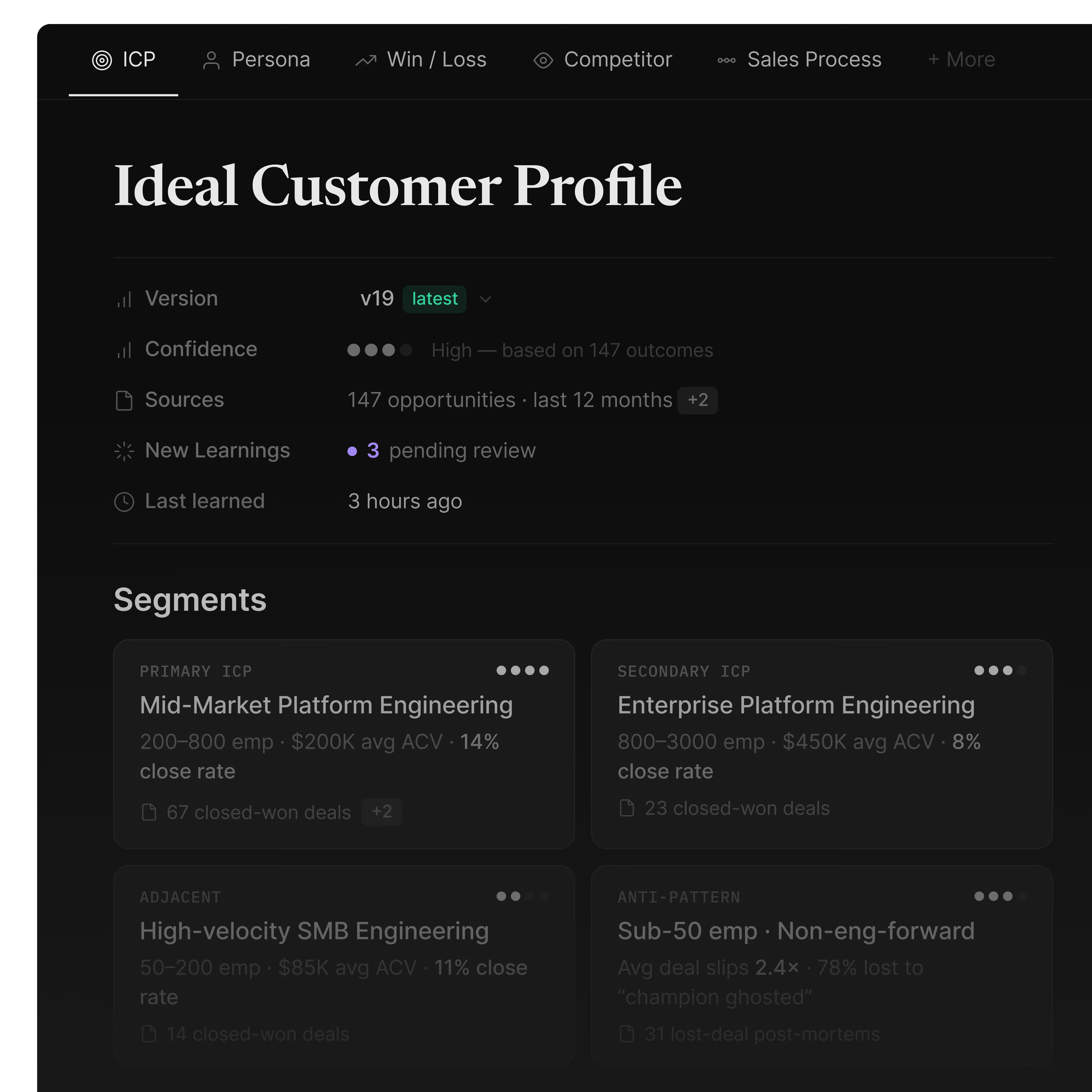
Codified GTM

Knowledge and processes are retained as Memory (e.g. ICPs, Personas, Messaging, Sales Process) and Skills (e.g. Prospecting, Meeting Prep, Pipeline Review) to inform consistent and scalable execution. Versioned, governed, and sharpened by every closed outcome.

Explore GTM Memory
AGENT STUDIO

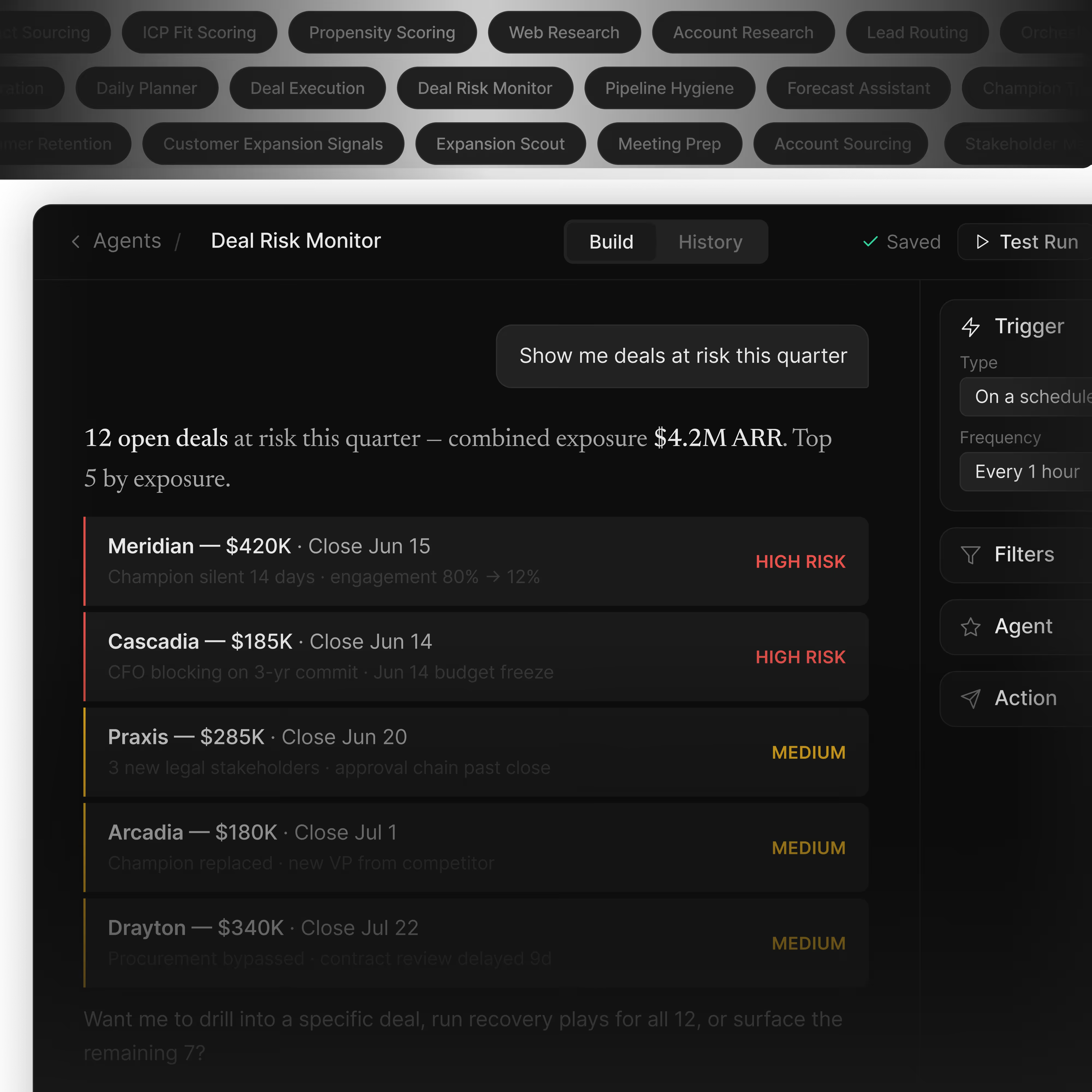
Agentic Orchestration

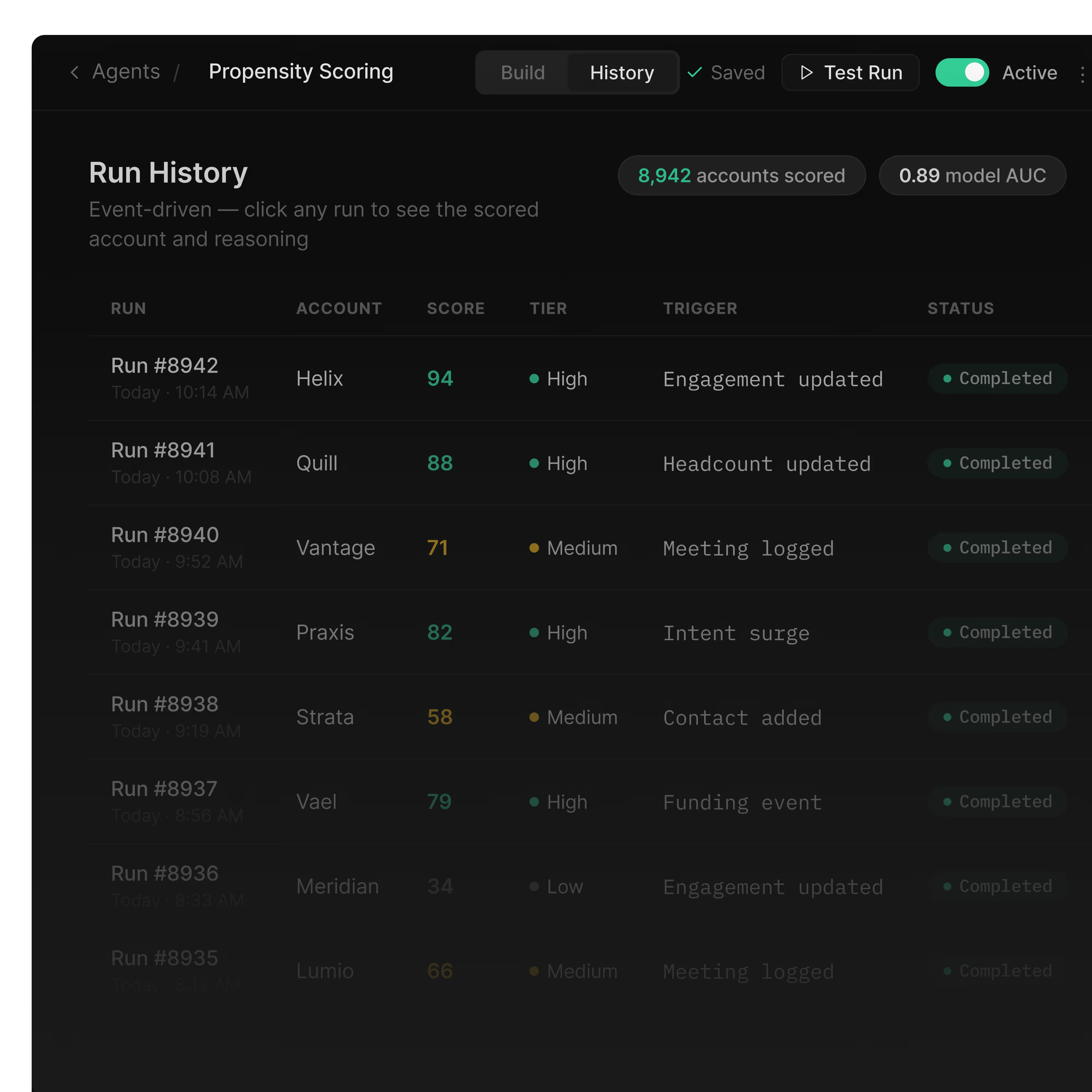
Agents run continuosly on live context, memory and skills. Surface risk, reveal opportunity, or automate repetitive jobs-to-be-done - deploy agents who decide, act and learn from every outcome.

Explore Agent Studio
GTM INTELLIGENCE INFRASTRUCTURE

The infrastructure your AI-native GTM runs on.

The AI-native GTM system that understands, decides, acts and learns from every deal.

RUN YOUR GTM DIAGNOSTIC

Customer story

From resetting every quarter, to compounding intelligence every week.

"Our best AE used to be the only person who knew how to handle our biggest competitor. Now every rep does, and the agents prep them for it before the call. Our knowledge no longer walks out the door."

70%

FASTER NEW-HIRE RAMP

34%

SHORTER SALES CYCLES

2.6X

greater sales velocity

Ready when you are

Learn from each outcome, improve with every deal won.

Make your GTM sharper quarter-on-quarter starting today, or begin with a 30-minute GTM Diagnostic.

FAQ

More about Learning.

If it's not here, we'll answer it live.

Talk to us
We already run QBRs and win/loss analysis. Why do we need this?

QBRs are retrospective. By the time you've run the analysis and rewritten the playbook, the next quarter is already half over and the patterns have shifted. Revenue Labs' Learning is continuous. It captures every decision and outcome as it happens, spots the patterns within days not months, and proposes the change while the deals it affects are still open. Keep the QBR for the strategic conversation. Stop using it to figure out what changed three months ago.

How is this different from Gong, Chorus or other call-intelligence tools?

Gong listens to calls. Learning listens to your entire GTM. Gong tells you that the word "competitor" came up 14 times last week. Learning tells you that deals where the word "competitor" came up after Discovery and before Demo are slipping 67% more than deals where it came up earlier, and proposes a Skill change to handle it earlier in the cycle. Keep Gong for the call-level intelligence. Run Learning for the system-level learning.

How is this different from reporting tools like Tableau, Looker or Salesforce reports?

Reporting + BI tools tell you what happened. Learning tells you what changed, why it changed, and what to do about it - with the proposed change ready for your approval. A Tableau dashboard shows win rate dropping. Learning shows you that win rate is dropping because procurement is being engaged 3 weeks later than 6 months ago, and proposes a skill change to surface the procurement signal earlier. You don't act on dashboards. You act on Learning.

Who decides what gets learned and codified?

You do. The system surfaces patterns and proposes changes. You approve, reject or edit before anything ships. Approvals can be scoped: a CRO can approve company-wide changes, a regional VP can approve regional ones, a team lead can approve team-level ones. Nothing changes how your GTM runs without a human signing off. Learning recommends. You decide.

Can the system change anything without my approval?

No, for anything that affects how your team sells. Skill changes, Memory updates, scoring model changes, sales process changes - all require approval. The system can autonomously update its internal models (signal weights, pattern detection thresholds) as it processes new outcomes. But anything reps see, anything agents run, anything that touches a customer - you approve before it ships.

How do I see what's been changed and when?

A full audit log. Every version of every Memory, every Skill, every agent, every scoring model. Who proposed it (system or human), who approved it, when it shipped, what it replaced, what evidence justified it. Roll back to any version. Compare any two versions side by side. The whole change history of your GTM, queryable.

What if the system learns the wrong thing?

You catch it three ways. One: every proposed change carries the evidence that justified it, so you can see the reasoning before you approve. Two: nothing ships without your approval, so a wrong learning never reaches your team. Three: if a change does ship and turns out to be wrong, you reverse it instantly (v19 reverts to v18, across the team, same day). The system also captures the reversal as a counter-signal, so it doesn't propose the same wrong change twice.

Can I roll back a change?

Yes, instantly. v19 reverts to v18 across the team in one click. The change is logged, the reversal is logged, and the original evidence stays in the trace so you can come back and re-evaluate later. No "this change is now permanent" moments. No "we'll fix it in the next release" cycles. The GTM operates with full undo.

How does this work across regions, territories and product lines?

Learning is scoped to whatever org structure you actually run. Global, region, territory, product line, vertical, motion, any combination. Patterns that show up only in EMEA stay in EMEA. Patterns that show up across regions get flagged for global review. Inheritance flows downward: a global Memory update applies to every region unless that region has explicitly overridden it. Approval scoping mirrors your org chart: APAC's VP Sales approves APAC changes, North America's CRO approves North American ones, the global CRO approves cross-regional ones. The system respects how you actually operate, including the politics of cross-regional ownership.

Who can do what? How do we control permissions and roles?

Role-based access at every level. You define who can see Learning recommendations, who can approve them, who can build agents, who can edit Memory, who can roll back changes. Common setup: the CRO approves global GTM-wide changes; regional VPs approve their region's changes; team leads approve team-level scoping; reps and AEs see recommendations but don't approve them. Agents have service identities, scoped by what data they're allowed to read and what actions they're allowed to take. RevOps can grant, revoke or audit any permission at any time. SSO and SCIM provisioning from day one. The permissions model respects how your business actually runs, not the reverse.